Have you noticed that the pallets you purchased crack within months, suppliers miss deadlines, or hidden costs destroy your budget?
After two decades of manufacturing plastic pallets and working with over 400 B2B clients globally, we’ve identified the exact patterns that separate successful procurement from costly mistakes. Whether you’re a distributor or direct buyer, this guide covers pallet material comparisons, proven procurement channels with vetting criteria, and common cost traps to avoid. You’ll get a practical evaluation framework that can reduce your total ownership costs by 15-30%.
Types of Pallets
Before diving into procurement channels, let’s clarify the types of pallets, they are generally categorized into 5 types: wooden pallets, plastic pallets, metal pallets, paper pallet and molded straw fiber pallet .
Wooden Pallets are built from hardwood or softwood lumber—your go-to for one-time or short-term use where cost trumps longevity. Expect to pay $8-25 per unit depending on grade, making them the most economical choice for domestic shipping. You’ll find them in two-way entry, four-way entry, and stringer designs. They handle impressive static loads up to 2,500 kg, but here’s the catch: moisture damage and pest issues are common, plus international shipments require ISPM 15 fumigation treatment, may adding time and your cost.
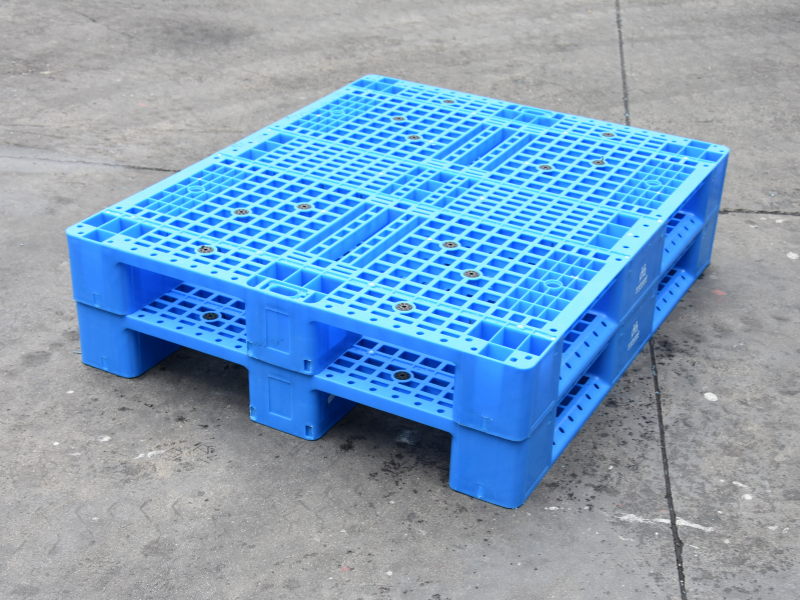
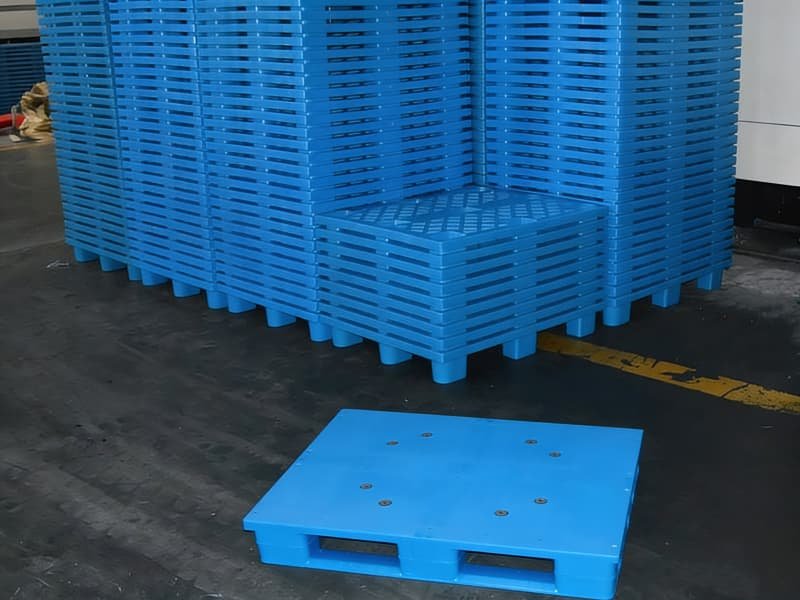
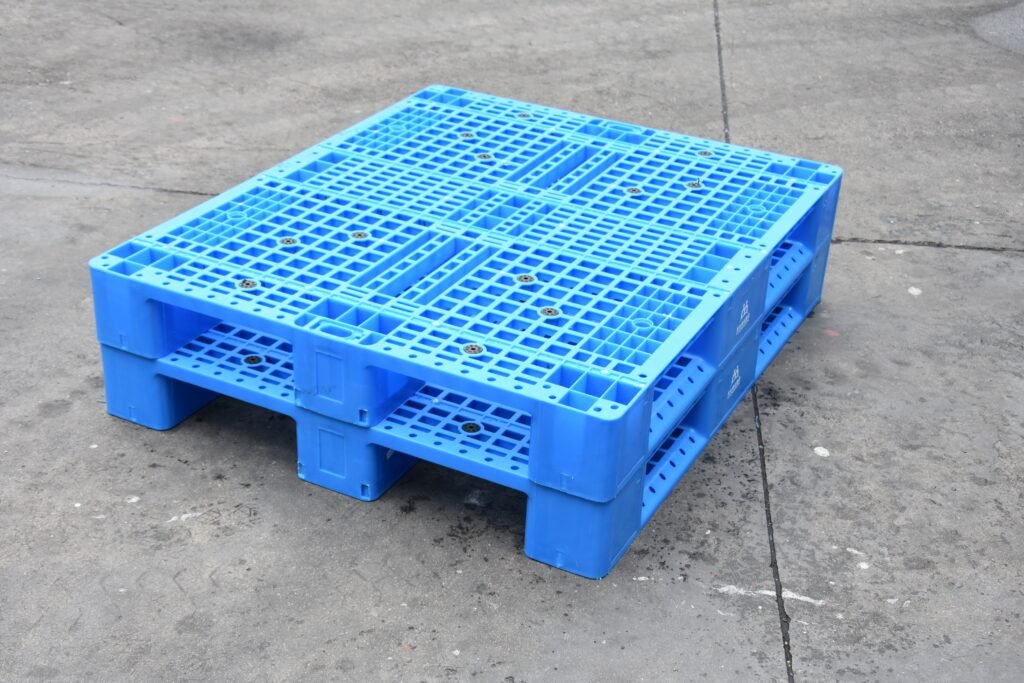
Plastic Pallets use virgin or recycled HDPE (High-Density Polyethylene) or PP (Polypropylene), delivering exceptional durability and hygiene. Plastic pallet typically Priced between $6-42 per or more, they represent a higher initial investment but their plastic pallet lifespan of 8-15 years far exceeds wood’s 2-3 years, making the cost per use significantly lower. Look for nine-leg, three-runner, or nestable designs depending on your space needs. Here’s why they dominate across industries: they resist moisture, chemicals, and bacteria, need no fumigation for exports, and maintain consistent weight for automated systems. At 8-15 kg, they’re light enough to cut shipping costs while handling dynamic loads up to 1,500 kg. Based on our two decades working with 400+ clients, plastic pallets solve the widest range of challenges.
Metal Pallets bring unmatched strength through steel or aluminum construction. Steel runs $80-200 per unit, while aluminum costs $150-300 due to superior corrosion resistance and lighter weight. Standard configurations include bar-grate, perforated deck, and solid-top designs built for automated warehouses and high-temperature zones. When you need static loads exceeding 5,000 kg and a 10-15 year lifespan, metal justifies the premium—especially in automotive parts, military logistics, and manufacturing where fire resistance matters.
Molded Straw Fiber Pallets compress wood fibers, agricultural straw, or recycled paper with resin binding. At $12-30 per unit, they bridge the gap between wood and plastic while delivering eco-credentials. Key advantages: consistent dimensions with zero protruding nails, 30-40% lighter than solid wood, and fumigation-free for exports. Their 800-1,200 kg load capacity fits light to medium goods where environmental compliance and export packaging intersect.

Paper Pallets stack corrugated cardboard layers or honeycomb paperboard into an ultra-lightweight solution. Priced at $5-18 per unit and weighing just 3-8 kg, they’re your answer for air freight cost reduction on high-value, low-weight cargo like electronics or medical devices. They support 500-1,000 kg static loads and are 100% recyclable without fumigation. The limitation? They can’t handle moisture or repeated use—reserve them for single-trip, climate-controlled logistics where weight savings outweigh durability needs.
Once you understand the different types of pallets and their general price ranges, the next step is to compare how pricing changes across different purchasing channels.
When comparing plastic pallet cost , you should not only look at the unit price. What matters more is which sourcing channel gives you the best total cost for your actual use, including delivery speed, product consistency, lifespan, and future repeat orders.
| Sourcing Channel | Typical Cost Level | Best For | Main Trade-Off |
| Direct from Manufacturer | Low in bulk orders | repeat orders, custom pallets, long-term use | lead time is usually longer than local stock |
| Local Distributor | Medium to high | urgent orders, small trial batches | higher unit price, fewer custom options |
| B2B Marketplaces | varies widely | supplier comparison, early sourcing stage | quality and supplier type need verification |
| Used Local Dealers | lowest upfront cost | short-term use, floor storage, one-way export | unclear lifespan and load history |
Standard Specifications
Now that you know the materials, here’s the sizing reality—pallets aren’t custom snowflakes, they follow global standards that make or break your warehouse compatibility.
Pallet dimensions follow repeating patterns across all material types to ensure compatibility with warehouse racking systems, forklifts, and shipping containers. The most common specifications include 1200×1000mm (EUR 2), 1200×800mm (widely used in European retail), 1100×1100mm (Asian standard), 1165 × 1165(Australian Standards) and 1200×1200mm (North American preference). Standard heights range from 125mm to 160mm, with custom sizes available for specialized equipment or unique storage requirements. If you’d like a deeper breakdown of sizes by region and application, read our Standard Pallet Sizes article.
The table below outlines proven recommendations based on real-world usage patterns across major sectors:
| Industry | Recommended Type | Optimal Specifications | Key Reasoning |
| Food & Beverage | Plastic (HDPE) | 1200×1000mm, 1100×1100mm | FDA-compliant materials, easy sanitation, no splinters contaminating products. Closed-deck designs prevent spillage into rack systems. Standard Euro sizes fit beverage production lines. |
| Pharmaceuticals | Plastic (virgin HDPE/PP) | 1200×800mm, 1000×1200mm | GMP compliance requires non-porous surfaces that won’t harbor bacteria. Nestable designs save clean room space. Light colors show contamination immediately. |
| Automotive Parts | Metal (steel) or Heavy-Duty Plastic | 1200×1000mm, 1200×1200mm | Withstand repetitive automated handling and heavy component weights (engines, transmissions). Metal resists oils and industrial chemicals in manufacturing plants. |
| E-commerce & Retail Distribution | Plastic (PP) or Pressed Wood | 1200×1000mm, 1200×800mm | Lightweight reduces last-mile delivery costs. Consistent dimensions fit automated sorting systems. Plastic’s durability suits high-turnover reverse logistics. |
| Construction Materials | Wooden (heat-treated) | 1200×1000mm, 1100×1100mm | Low cost for single-use or rough handling environments. Heavy-duty stringers support brick, tile, and cement bags. Easy disposal on construction sites. |
| Chemical & Hazmat | Plastic (closed-deck) or Metal | 1200×1000mm | Chemical resistance prevents corrosion. Closed decks contain spills. Non-sparking materials meet safety regulations for flammable goods storage. |
| Agricultural Exports | Pressed Wood or Plastic | 1200×1000mm, 1140×1140mm | ISPM 15 compliance without fumigation. Pressed wood’s lighter weight reduces airfreight costs for produce. Plastic withstands field conditions and washdown. |
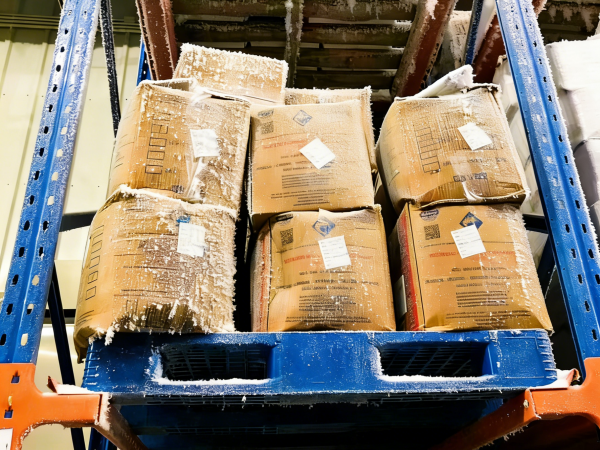
| Cold Storage & Frozen Foods | Plastic (PP – polypropylene) | 1200×800mm, 1000×1200mm | PP remains flexible at -30°C without cracking. Smooth surfaces prevent ice buildup. Won’t absorb moisture that freezes and adds weight. |
Selection Tips: If your operation spans multiple industries or you’re a distributor serving diverse clients, plastic pallets offer the most versatility—they meet 80% of industry requirements without specialized variants. For cost-sensitive, high-volume domestic shipping, wooden pallets remain unbeatable on price. Metal pallets justify their premium only when load capacity exceeds 2,000 kg or pallet lifespan needs exceed 10 years. Pressed wood works best for exporters prioritizing sustainability certifications and airfreight weight reduction.
When uncertain about specifications, 1200×1000mm represents the safest choice—it’s compatible with European, Asian, and most North American equipment, maximizing resale value for distributors and simplifying inventory for end-users.
Where Can You Buy Pallets? 4 Common Purchasing Channels
Once you have confirmed the size, load requirement, and warehouse handling method, the next decision is where to source from.
This choice directly affects your unit cost, delivery speed, customization flexibility, and long-term supply stability. The right channel depends less on “which is cheaper” and more on how you plan to use the pallets and how often you need to reorder.
Here are the five sourcing channels we most recommend for industrial buyers.
1. Buy Directly from Plastic Pallet Manufacturers
For buyers planning regular use, repeat orders, or warehouse-standardized pallet systems, purchasing directly from the manufacturer is usually the most efficient route.
The biggest advantage is control. You are working with the team that controls the mold, material formula, structure design, and production schedule. That matters when you need the same pallet to perform consistently across multiple batches.
This channel is typically the right choice when your annual demand is stable or growing, especially once volume moves beyond the trial stage.
In the following situations, purchasing directly from the factory is usually a better option:
- you place repeat orders for ongoing warehouse use
- you need custom dimensions, colors, or load ratings
- your pallets must fit racking, conveyors, or automation systems
- you want logos, RFID, or other identification features
- your order volume is stable enough to move beyond trial purchasing
For long-term B2B procurement, direct factory sourcing often gives better cost control and fewer specification errors on reorders.
2. Buy from Local Distributors
If speed matters more than customization, distributors often make more sense.
They usually keep standard sizes in stock, which makes them suitable for urgent replenishment, pilot projects, or first-time orders where you want to test pallet performance before scaling up.
For example, if your warehouse suddenly needs 200 standard 48 × 40 pallets within one week, a local distributor is often the fastest solution.
The trade-off is straightforward: higher unit price, fewer structural options, and limited flexibility on material or branding.
This channel works best for short lead-time orders and lower-volume purchasing.
3. Source Through B2B Online Marketplaces
If you have not yet decided which supplier to work with, online B2B marketplaces are usually the first place you will start. Platforms such as Alibaba and Made-in-China make it easier for you to contact multiple suppliers in a short time, request quotations, and compare their product range, factory capabilities, and available certifications.
At this stage, you are usually not ready to place an order yet. Instead, you are using these platforms to understand what the market can offer and to narrow down your options. For example, you may want to know whether a supplier can meet your required load capacity, whether they support custom molds or branded pallets, how realistic their lead time is, and how pricing changes based on order volume or shipping region.
This is why online marketplaces are often more useful at the supplier comparison stage than at the final purchasing stage. The main value is not simply collecting the lowest quotation, but helping you quickly understand which suppliers are actually capable of meeting your operational needs.
More importantly, you should take time to confirm what type of supplier you are speaking with. Some sellers are actual manufacturers with their own production lines and engineering teams, while others are trading companies that source products from different factories. This difference can directly affect product consistency, communication efficiency, customization support, and the stability of future repeat orders.
4. Buy Used Plastic Pallets from Local Dealers
If your main concern is keeping the upfront cost as low as possible, buying used plastic pallets from local dealers can be a practical option.
You will often see this in one-way export shipments, temporary storage, construction sites, or warehouse areas that do not require long-term repeated use. In these situations, you may not need a pallet with a long service life, so a used pallet can help you control your purchasing budget.
The main advantage is simple: you pay less at the beginning.
However, you also need to pay close attention to the risk. In most cases, you cannot clearly know how the pallet was used before. Even if it still looks fine on the surface, it may already have hidden stress, deformation, or structural fatigue from previous heavy loads and repeated forklift handling.
If you only need the pallets for floor storage or light-duty transport, this may still be acceptable.
But if you plan to use them for beam racking, conveyor systems, or automated warehouse equipment, used pallets are usually not the better choice. In these environments, load performance and dimensional stability matter much more, and an unclear usage history can increase the risk of damage or handling issues.
Where to Find Pallets Manufacturers
For most buyers, Google Search is still the most direct place to start. You can search terms such as plastic pallet manufacturer, plastic pallet factory, or add your target market, such as plastic pallet manufacturer in Southeast Asia or plastic pallet supplier in Europe. This helps you quickly find supplier websites, product catalogs, and direct contact information.
When you visit a supplier’s website, do not stop at the homepage. You should check whether they clearly show factory photos, product specifications, testing information, certifications, and real contact details. These details make it easier for you to judge whether you are dealing with a real manufacturer or only a trading company.
Professional platforms such as LinkedIn can also help you verify who the company really is. For example, you can check whether the company has employees in roles such as production manager, quality control, mold engineer, or warehouse operations. A real factory usually has these functions visible, while a pure reseller often focuses only on sales roles.
Online B2B platforms such as Alibaba and Made-in-China are also useful if you want to compare several suppliers at the same time. These platforms make it easier for you to review certifications, production capacity, response speed, and export experience. However, you still need to confirm whether the supplier owns its production line. A practical way to do this is to ask for a live video factory tour or recent production photos before moving forward.
If your project is large or requires long-term supply, trade shows can still be one of the fastest ways to shorten the sourcing cycle. Events such as ProMat, LogiMAT, and CeMAT Asia allow you to compare multiple suppliers in person, inspect actual products, and discuss technical requirements face to face.
In most cases, the goal is not to find the most suppliers, but to quickly narrow your list down to real manufacturers that can meet your load, size, and delivery requirements.
Factory Verification: 3-Step Checklist
Once you’ve identified potential manufacturers, verify their legitimacy and capabilities before committing:
Step 1
Certificate Authentication Don’t just accept PDF copies—verify ISO 9001, FDA, or REACH certificates directly with issuing bodies. ISO certificates list a registration number you can check on the certifying organization’s website (BSI, SGS, TÜV). We’ve encountered suppliers using expired or fake certifications; five minutes of verification saves thousands in defective inventory.
Step 2
Production Line Assessment Request a live video tour of the production floor, not pre-recorded marketing footage. Look for these quality indicators:
- 5S methodology signs (Sort, Set in Order, Shine, Standardize, Sustain) around injection molding machines
- Organized scrap material recycling—quality factories reprocess waste into lower-grade products rather than discarding it
- Climate-controlled raw material storage—plastic resin absorbs moisture, so proper storage prevents defects
- In-line quality testing equipment—automated weight checks and dimension scanners catch issues before shipment
Step 3
Ask Tough Questions Separate mediocre suppliers from excellent ones with these queries:
“How do you handle mold wear on high-volume orders?” (Quality factories proactively replace molds before tolerances slip)
“What’s your largest client’s return rate?” (Top-tier manufacturers maintain under 2% defect rates)
“Can I speak with a current customer in my industry?” (Confident factories readily provide references)
“What’s your production capacity during Chinese New Year?” (Tests their contingency planning for peak season shutdowns)
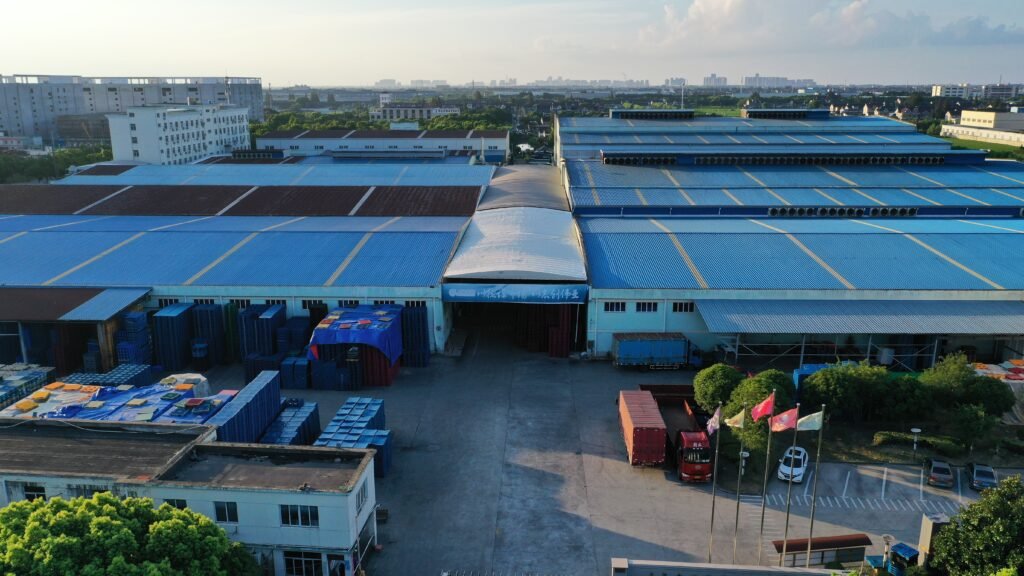
A note from us: These are the exact questions our clients asked before choosing ENLIGHTENING PALLET as their supplier. Since 2000, we’ve manufactured plastic pallets and logistics packaging from our Qingdao and Shanghai facilities—both strategically positioned near major ports to eliminate inland shipping delays. Our annual export volume exceeds $50 million, serving distributors and end-users across 60+ countries. Contact us directly and we’ll recommend the right pallet solution for your specific needs based on your industry, load requirements, and logistics environment.
Conclusion
Choosing where to buy pallets is not only a price decision. You also need to look at pallet type, order volume, delivery time, required specifications, and how the pallets will actually be used in your operation.
For some buyers, local distributors or used pallet dealers may be enough for short-term or urgent needs. For others, especially when repeat orders, stable specifications, or custom requirements matter, buying directly from the right manufacturer can be the better long-term choice.
The key is to match the purchasing channel to your real business needs, rather than choosing only by the lowest quotation. When you compare suppliers this way, it becomes much easier to control cost, reduce replacement risk, and keep future purchasing more stable.
EnlighteningPallet as a plastic pallet manufacturer, we work with buyers who need more than just a price list. We help them evaluate pallet specifications, usage requirements, and supply options more clearly, especially when plastic pallets are part of the decision. That gives you a more practical basis for choosing the right pallet and the right supplier.If you are planning to buy plastic pallets, please read our latest 2026 Plastic Pallet Buying Guide for a more detailed look at specifications, pricing, and supplier selection.