跳到内容
跳到内容 
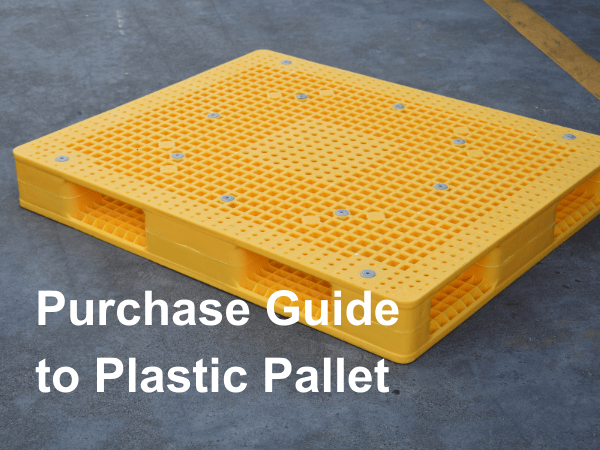
Have you noticed that the pallets you purchased crack within months, suppliers miss deadlines, or hidden costs destroy your budget?
After two decades of manufacturing plastic pallets and working with over 400 B2B clients globally, we’ve identified the exact patterns that separate successful procurement from costly mistakes. Whether you’re a distributor or direct buyer, this guide covers pallet material comparisons, proven procurement channels with vetting criteria, and common cost traps to avoid. You’ll get a practical evaluation framework that can reduce your total ownership costs by 15-30%.
Types of Pallets
Before diving into procurement channels, let’s clarify the types of pallets, they are generally categorized into 5 types: wooden pallets, plastic pallets, metal pallets, paper pallet and molded straw fiber pallet .
Wooden Pallets are built from hardwood or softwood lumber—your go-to for one-time or short-term use where cost trumps longevity. Expect to pay $8-25 per unit depending on grade, making them the most economical choice for domestic shipping. You’ll find them in two-way entry, four-way entry, and stringer designs. They handle impressive static loads up to 2,500 kg, but here’s the catch: moisture damage and pest issues are common, plus international shipments require ISPM 15 fumigation treatment, may adding time and your cost.
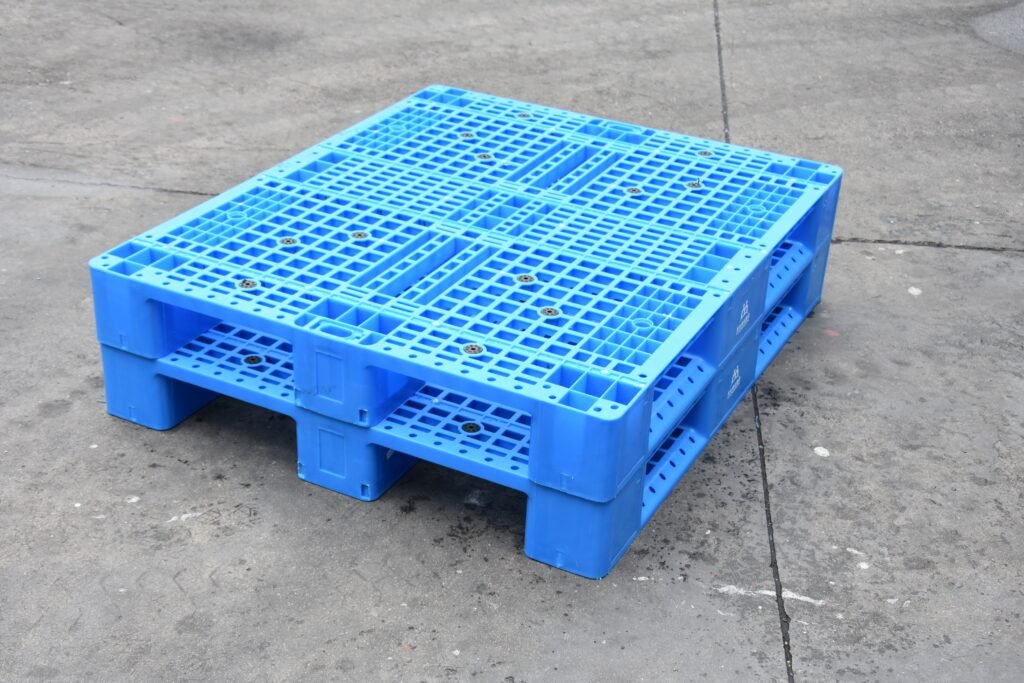
Plastic Pallets use virgin or recycled HDPE (High-Density Polyethylene) or PP (Polypropylene), delivering exceptional durability and hygiene. Plastic pallet typically Priced between $6-42 per or more, they represent a higher initial investment but their plastic pallet lifespan of 8-15 years far exceeds wood’s 2-3 years, making the cost per use significantly lower. Look for nine-leg, three-runner, or nestable designs depending on your space needs. Here’s why they dominate across industries: they resist moisture, chemicals, and bacteria, need no fumigation for exports, and maintain consistent weight for automated systems. At 8-15 kg, they’re light enough to cut shipping costs while handling dynamic loads up to 1,500 kg. Based on our two decades working with 400+ clients, plastic pallets solve the widest range of challenges.
Metal Pallets bring unmatched strength through steel or aluminum construction. Steel runs $80-200 per unit, while aluminum costs $150-300 due to superior corrosion resistance and lighter weight. Standard configurations include bar-grate, perforated deck, and solid-top designs built for automated warehouses and high-temperature zones. When you need static loads exceeding 5,000 kg and a 10-15 year lifespan, metal justifies the premium—especially in automotive parts, military logistics, and manufacturing where fire resistance matters.
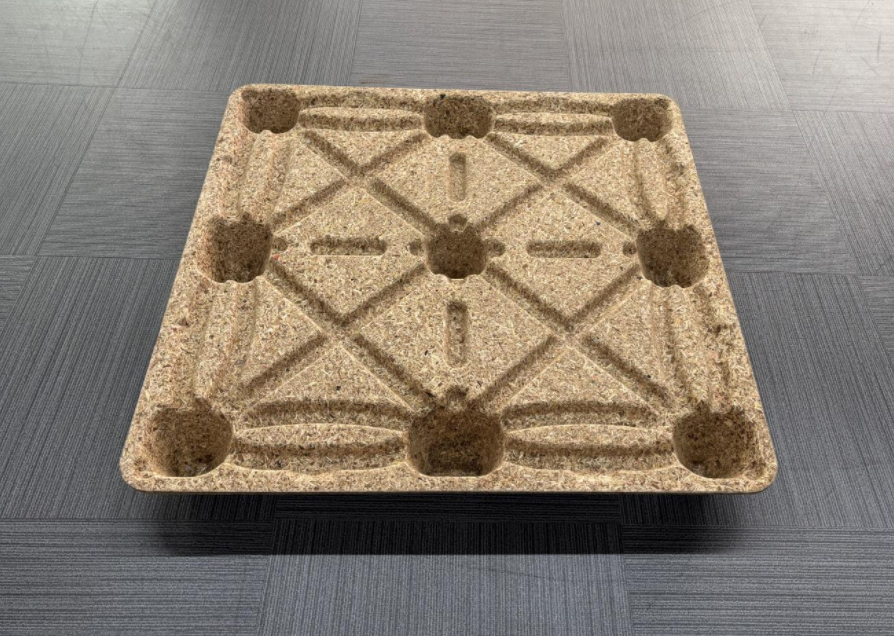
Molded Straw Fiber Pallets compress wood fibers, agricultural straw, or recycled paper with resin binding. At $12-30 per unit, they bridge the gap between wood and plastic while delivering eco-credentials. Key advantages: consistent dimensions with zero protruding nails, 30-40% lighter than solid wood, and fumigation-free for exports. Their 800-1,200 kg load capacity fits light to medium goods where environmental compliance and export packaging intersect.
Paper Pallets stack corrugated cardboard layers or honeycomb paperboard into an ultra-lightweight solution. Priced at $5-18 per unit and weighing just 3-8 kg, they’re your answer for air freight cost reduction on high-value, low-weight cargo like electronics or medical devices. They support 500-1,000 kg static loads and are 100% recyclable without fumigation. The limitation? They can’t handle moisture or repeated use—reserve them for single-trip, climate-controlled logistics where weight savings outweigh durability needs.
Standard Specifications
Now that you know the materials, here’s the sizing reality—pallets aren’t custom snowflakes, they follow global standards that make or break your warehouse compatibility.
Pallet dimensions follow repeating patterns across all material types to ensure compatibility with warehouse racking systems, forklifts, and shipping containers. The most common specifications include 1200×1000mm (EUR 2), 1200×800mm (widely used in European retail), 1100×1100mm (Asian standard), 1165 × 1165(Australian Standards) and 1200×1200mm (North American preference). Standard heights range from 125mm to 160mm, with custom sizes available for specialized equipment or unique storage requirements. If you’d like a deeper breakdown of sizes by region and application, read our Standard Pallet Sizes article.
The table below outlines proven recommendations based on real-world usage patterns across major sectors:
| Industry | Recommended Type | Optimal Specifications | Key Reasoning |
| Food & Beverage | Plastic (HDPE) | 1200×1000mm, 1100×1100mm | FDA-compliant materials, easy sanitation, no splinters contaminating products. Closed-deck designs prevent spillage into rack systems. Standard Euro sizes fit beverage production lines. |
| Pharmaceuticals | Plastic (virgin HDPE/PP) | 1200×800mm, 1000×1200mm | GMP compliance requires non-porous surfaces that won’t harbor bacteria. Nestable designs save clean room space. Light colors show contamination immediately. |
| Automotive Parts | Metal (steel) or Heavy-Duty Plastic | 1200×1000mm, 1200×1200mm | Withstand repetitive automated handling and heavy component weights (engines, transmissions). Metal resists oils and industrial chemicals in manufacturing plants. |
| E-commerce & Retail Distribution | Plastic (PP) or Pressed Wood | 1200×1000mm, 1200×800mm | Lightweight reduces last-mile delivery costs. Consistent dimensions fit automated sorting systems. Plastic’s durability suits high-turnover reverse logistics. |
| Construction Materials | Wooden (heat-treated) | 1200×1000mm, 1100×1100mm | Low cost for single-use or rough handling environments. Heavy-duty stringers support brick, tile, and cement bags. Easy disposal on construction sites. |
| Chemical & Hazmat | Plastic (closed-deck) or Metal | 1200×1000mm | Chemical resistance prevents corrosion. Closed decks contain spills. Non-sparking materials meet safety regulations for flammable goods storage. |
| Agricultural Exports | Pressed Wood or Plastic | 1200×1000mm, 1140×1140mm | ISPM 15 compliance without fumigation. Pressed wood’s lighter weight reduces airfreight costs for produce. Plastic withstands field conditions and washdown. |
| Cold Storage & Frozen Foods | Plastic (PP – polypropylene) | 1200×800mm, 1000×1200mm | PP remains flexible at -30°C without cracking. Smooth surfaces prevent ice buildup. Won’t absorb moisture that freezes and adds weight. |
Selection Tips: If your operation spans multiple industries or you’re a distributor serving diverse clients, plastic pallets offer the most versatility—they meet 80% of industry requirements without specialized variants. For cost-sensitive, high-volume domestic shipping, wooden pallets remain unbeatable on price. Metal pallets justify their premium only when load capacity exceeds 2,000 kg or pallet lifespan needs exceed 10 years. Pressed wood works best for exporters prioritizing sustainability certifications and airfreight weight reduction.
When uncertain about specifications, 1200×1000mm represents the safest choice—it’s compatible with European, Asian, and most North American equipment, maximizing resale value for distributors and simplifying inventory for end-users.
Main Procurement Channels
Knowing what to buy is half the battle—now let’s talk about where smart buyers actually source their pallets and how to avoid getting burned by the wrong channel.
Direct from Manufacturers
Going straight to the factory makes sense in specific scenarios, but it’s not always the best move. Here’s when manufacturer direct procurement pays off:
When to buy direct from manufacturers:
- ✅ Annual volume exceeds 2,000 units → Direct sourcing typically saves 15-25% compared to distributors
- ✅ You need customization (colors, logos, dimensions, load capacity) → Only manufacturers control mold modifications and production specs
- ✅ Long-term partnerships (3+ years) → Factories offer payment terms, dedicated technical support, and priority production slots
- ✅ Consistent specifications → Eliminating the middleman reduces communication errors on repeat orders
When distributors or trading companies make more sense:
- ✅ First-time purchase or orders under 500 units → Distributors have lower MOQs and let you test without commitment
- ✅ Multi-product needs → Trading companies bundle pallets with other warehouse equipment in one shipment
- ✅ Urgent delivery (under 2 weeks) → Distributors stock inventory locally while manufacturers require production lead time
- ✅ Limited purchasing resources → Distributors handle logistics, customs, and warranty claims so you don’t need specialized staff
Where to Find Manufacturers
Google Search remains the most direct path—search “plastic pallet manufacturer [your region]” or “wooden pallet factory ISO certified” to find company websites with full product catalogs and contact info. Google My Business listings show verified locations and customer reviews, helping you separate real factories from resellers.
LinkedIn excels for vetting decision-makers before contact. Search for companies, then check if they employ engineers, quality managers, and production supervisors—real manufacturers have these roles listed. You can message factory managers directly to discuss technical requirements, bypassing sales reps who may lack production knowledge.
Alibaba and Made-in-China aggregate thousands of suppliers with filterable search by certifications (ISO, FDA, SGS), production capacity, and response time. The platform’s Trade Assurance protects payments, while Verified Manufacturer badges confirm factory audits. However, some trading companies masquerade as manufacturers, so always request a virtual factory tour via video call.
Facebook Business Pages and Groups connect you with regional suppliers, especially useful for North American and European manufacturers who prefer Facebook over Alibaba. Industry groups like “Warehouse & Logistics Professionals” often have supplier recommendation threads where buyers share vetted contacts.
Industry Trade Shows—ProMat (North America), LogiMAT (Europe), CeMAT Asia—let you inspect samples, negotiate face-to-face, and tour nearby factories. We’ve seen buyers cut months off their sourcing timeline by meeting 10+ suppliers in three days versus email back-and-forth.
Factory Verification: 3-Step Checklist
Once you’ve identified potential manufacturers, verify their legitimacy and capabilities before committing:
Step 1: Certificate Authentication Don’t just accept PDF copies—verify ISO 9001, FDA, or REACH certificates directly with issuing bodies. ISO certificates list a registration number you can check on the certifying organization’s website (BSI, SGS, TÜV). We’ve encountered suppliers using expired or fake certifications; five minutes of verification saves thousands in defective inventory.
Step 2: Production Line Assessment Request a live video tour of the production floor, not pre-recorded marketing footage. Look for these quality indicators:
- 5S methodology signs (Sort, Set in Order, Shine, Standardize, Sustain) around injection molding machines
- Organized scrap material recycling—quality factories reprocess waste into lower-grade products rather than discarding it
- Climate-controlled raw material storage—plastic resin absorbs moisture, so proper storage prevents defects
- In-line quality testing equipment—automated weight checks and dimension scanners catch issues before shipment
Step 3: Ask Tough Questions Separate mediocre suppliers from excellent ones with these queries:
“How do you handle mold wear on high-volume orders?” (Quality factories proactively replace molds before tolerances slip)
“What’s your largest client’s return rate?” (Top-tier manufacturers maintain under 2% defect rates)
“Can I speak with a current customer in my industry?” (Confident factories readily provide references)
“What’s your production capacity during Chinese New Year?” (Tests their contingency planning for peak season shutdowns)
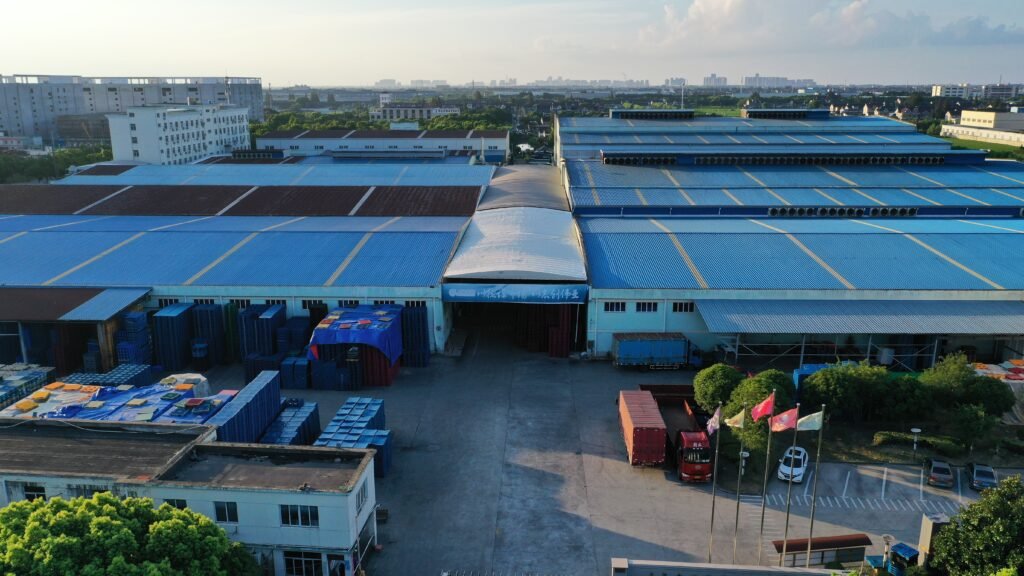
A note from us: These are the exact questions our clients asked before choosing ENLIGHTENING PALLET as their supplier. Since 2000, we’ve manufactured plastic pallets and logistics packaging from our Qingdao and Shanghai facilities—both strategically positioned near major ports to eliminate inland shipping delays. Our annual export volume exceeds $50 million, serving distributors and end-users across 60+ countries. Contact us directly and we’ll recommend the right pallet solution for your specific needs based on your industry, load requirements, and logistics environment.
Conclusion
In the process of pallet procurement, direct procurement from manufacturers, online B2B platforms and offline exhibitions all have their own advantages. Especially leading companies like ENLIGHTENING PALLET not only have strong production strength and rich customization experience, but also provide reliable cooperation guarantees for global customers with high-quality products and considerate services. U should consider the advantages and disadvantages of various procurement channels according to the company’s own needs and market changes, and choose the most appropriate procurement method. At the same time, through long-term cooperation with excellent suppliers, constantly pay attention to market trends and technological innovation, and realize the dual optimization of supply chain efficiency and cost control.