Key Takeaways
- Give every pallet a clear place. Separate receiving, storage, outbound staging, returns, and empty pallets so your team does not keep moving the same loads.
- Sort empty pallets and loaded pallets differently. Check empty pallets by condition and type. Organize loaded pallets by product, turnover, stock rotation, and destination.
- Make identification and handling consistent. Clear location codes, readable labels, compatible stacks, and routine inspections help your team find and move the right pallets.
- Control buildup before it blocks your operation. Set staging-area limits, assign responsibility for exceptions, and choose pallet specifications that match your equipment.
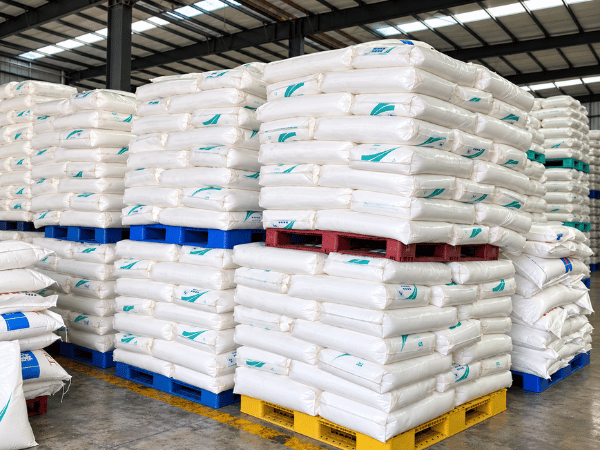
Mixed pallet storage can force your employees to repeatedly move entire stacks just to find the right pallet model. As empty pallets continue to accumulate, they take up valuable space in receiving and shipping areas, slowing down warehouse operations that should otherwise run smoothly.
To reduce these problems, you can start by implementing proper classification, designated storage zones, and suitable pallet selection. The following practical methods will help you organize and sort warehouse pallets more efficiently while reducing unnecessary handling.
Common Challenges in Warehouse Pallet Organization and Sorting
- Mixed pallet sizes and types: Pallets from different suppliers may vary in size, base design, and intended use. When you store them together, your team has to sort through them each time they need a pallet.
- Usable pallets mixed with those needing attention: Without separate storage for damaged, dirty, and unchecked pallets, your team has to repeat inspections. Unsuitable pallets may also make their way into the next stage of your operation.
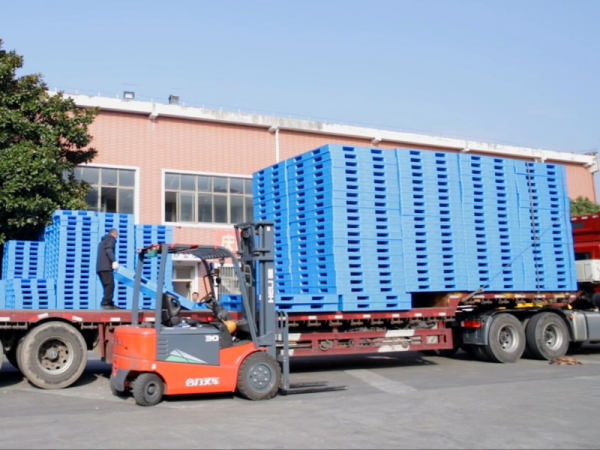
- Empty pallet buildup: When returned pallets are not organized promptly, they gradually take over receiving areas, shipping zones, and temporary storage space. This creates detours and extra handling.
- Unclear identification: Similar-looking pallets may serve different customers or equipment. Without clear type and status labels, finding pallets, counting stock, and handing work over between shifts takes longer./
Practical Ways to Organize and Sort Warehouse Pallets
1. Define Clear Storage Zones
Separate receiving, storage, outbound staging, returns, and empty pallet areas with floor markings and signs. Keep inspection holds and rework outside active travel lanes.
Keep incoming loads in receiving until checks are complete. Move shipment-ready pallets to outbound staging, and label held pallets with the issue, responsible person, and review date.
2. Sort Empty Pallets
Separate usable empty pallets from those awaiting inspection, cleaning, or damage assessment before placing them in storage.
Group approved pallets by size, base design, and use. Keep a reference sheet at the sorting area so your team follows consistent standards across shifts.
3. Prioritize Frequent Moves
Keep frequently used empty pallets near collection points. Place fast-moving goods in accessible storage locations and slower-moving stock in suitable reserve areas.
Group outbound pallets by destination, carrier, or pickup schedule. Keep the next shipment accessible so your team can load it without moving later orders.
4. Sort Mixed Pallets by Destination
For mixed-SKU pallets, sort one incoming pallet at a time onto carts or pallets labeled by destination zone. Keep each destination load together so your team can put it away without sorting it again.
Where staffing allows, separate sorting from put-away so the sorting station stays active. Label goods with SKU, quantity, and destination, plus receipt or expiry dates where needed. Follow FIFO or the required expiry-based rotation rule when assigning storage locations.
5. Match Storage to the Load
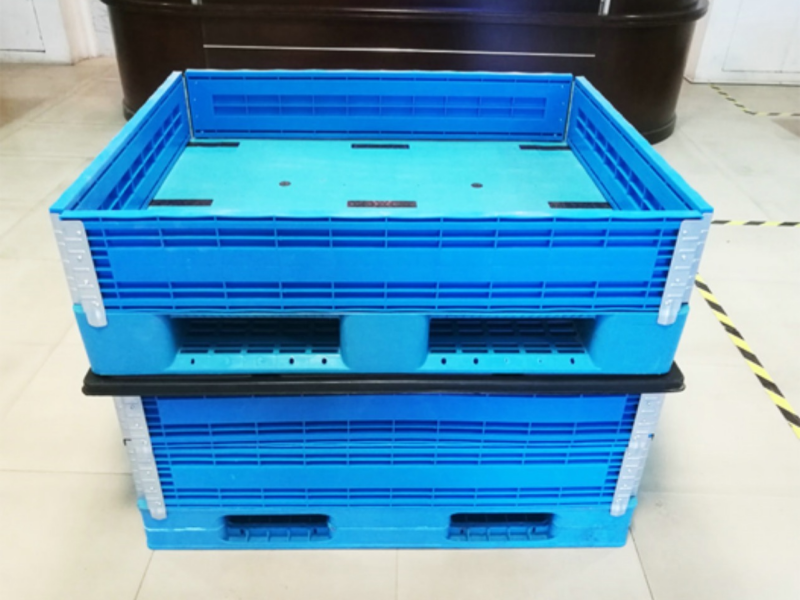
Choose between pallet storage systems based on your load, equipment, and stock rotation needs. Stack compatible empty pallets on level surfaces within the applicable model and site limits.
For loaded pallets, distribute weight evenly and avoid unsupported overhang. Place heavier goods beneath lighter items within packaging limits, and assess empty stacks, loaded stacks, and rack loads separately.
6. Label Pallets and Locations
Assign clear codes to floor positions and rack locations, and update your records when pallets move. Label loaded pallets with their identifier, SKU, quantity, and destination.
Identify empty pallets by model, purpose, and inspection status. Pair custom pallet colors and markings with readable text, keeping labels visible for scanning and collection.
7. Inspect and Maintain
Check pallets during receiving and return handling. Isolate cracked, deformed, or damaged units for assessment, and report rack or equipment damage through your site’s inspection process.
Keep storage areas clean, dry, and appropriately ventilated. After washing, complete the required drainage and drying steps before returning pallets to service.
8. Control Staging Capacity
Mark staging capacity in pallet positions. Where space allows, use two inbound lanes: one for unloading and one feeding the sorting station. Keep destination carts within marked positions, and use a designated overflow area when lanes fill.
Test layout changes in one area first. Compare collection time, repeated moves, and overflow before extending the changes across your warehouse.
How the Right Plastic Pallets Simplify Warehouse Operations
1. Standardize specifications to make sorting easier.
Reduce unnecessary differences between pallet models wherever your operation allows. A clearly defined range makes daily collection, inventory checks, and replenishment easier to coordinate.
2. Choose a design that fits your operation.
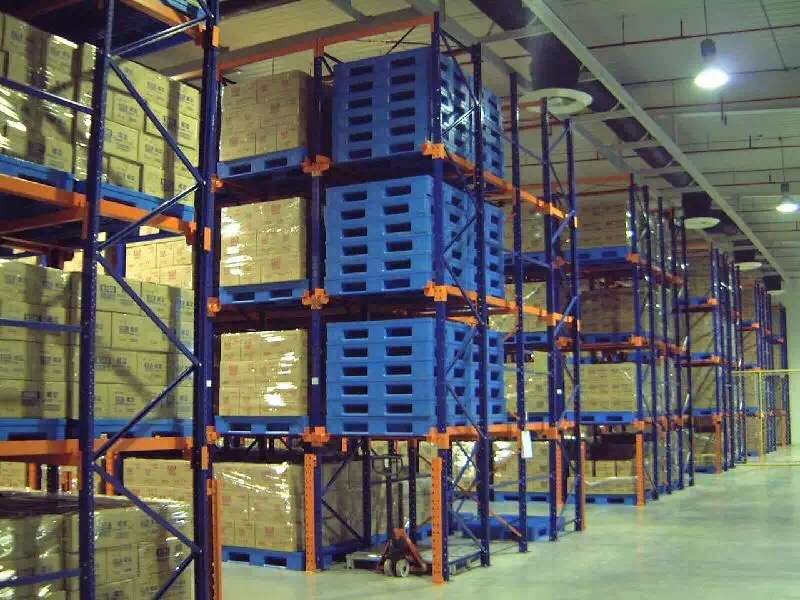
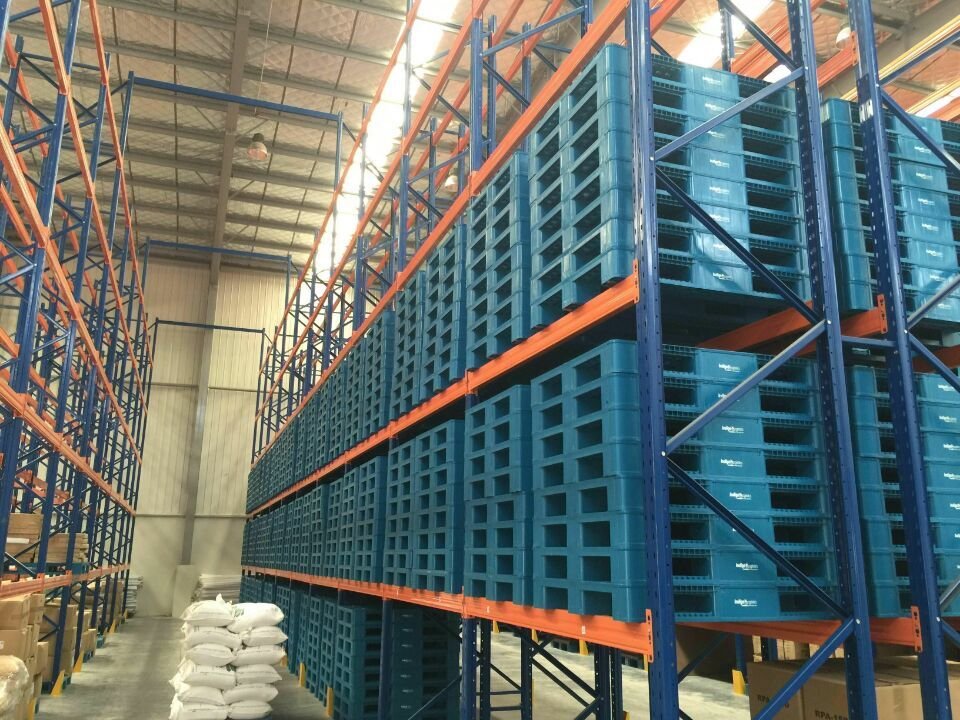
Consider nestable designs for empty pallet collection and storage. For rack storage, evaluate rackable plastic pallets and confirm the support arrangement and corresponding rack load rating.
3. Consider cleaning and identification needs.
If your pallets need frequent washing, assess their surfaces, hard-to-clean areas, and drainage. Colors and labels should remain easy to recognize and withstand your cleaning process.
4. Maintain batch consistency and equipment compatibility.
Before ordering in bulk, test samples for forklift handling, stacking, and equipment compatibility. Keep repeat orders aligned with approved dimensions, designs, and performance requirements to reduce problems when using new and existing pallets together.
Frequently Asked Questions
Can You Stack Pallets of Different Sizes or Types Together?
Avoid mixing them without checking compatibility first. Differences in dimensions, base design, and contact points can affect stack stability. Store pallets separately by model until you have confirmed which types can be stacked together.
How Can You Reduce the Space Taken Up by Empty Pallets?
Start by removing out-of-service pallets and reviewing long-standing surplus stock. Group the remaining pallets by type and match inventory levels to your operational needs. Explore the benefits of nestable plastic pallets for empty storage, and compare total stack height and ease of separation before choosing a model.
What Warehouse Conditions Should You Confirm Before Buying Plastic Pallets?
Confirm pallet dimensions, product weight, load distribution, rack support arrangements, and forklift or conveyor requirements. If your operation involves cold storage or washing, specify temperatures and cleaning conditions, then validate suitability with samples.
Final Thoughts
Enlightening Pallet offers plastic pallets and customization options for different storage and handling needs. Share your load, equipment, and warehouse requirements to discuss suitable models.