Hola, soy Steve. Muchos compradores de palets de plástico me preguntan: "¿Cuánto tiempo puede durar un palet de plástico?" Según nuestras pruebas y los comentarios de cientos de clientes, en entornos industriales típicos, los palets de plástico duran generalmente entre 8 y 10 años. Con un mantenimiento adecuado, pueden incluso superar los diez años.
En este artículo también compararé la vida útil de los distintos tipos de palets y sus diferentes usos, además de compartir algunos consejos de mantenimiento y cómo reconocer cuándo es el momento de reemplazar su palet. ¡Siga leyendo para conocer todos los detalles!
Pregunta 1: ¿Es lo mismo "vida útil" que "años de servicio"?
No, la vida útil no es exactamente lo mismo que los años de servicio. Veamos tres ejemplos para aclararlo:
- Ciclos agotados pero aspecto intacto: algunos palets de plástico pueden haber alcanzado su límite de ciclos de uso en 10 años, aunque todavía parezcan "nuevos". Por seguridad, ya no deben utilizarse, aunque no presenten daños visibles.
- Años de servicio superados pero uso escaso: un palet con una "vida útil de 5 años" puede seguir funcionando perfectamente después de 8 años si solo ha tenido un uso ligero en un almacén seco con cargas poco pesadas.
- Años de servicio no superados pero uso intensivo: un palet que no está diseñado para uso exterior puede durar solo 3 años si está expuesto al sol a diario y frecuentemente sobrecargado, aunque su vida útil "oficial" sea mayor.
De estos ejemplos se puede entender: los años de servicio son solo un aspecto para medir la vida útil de un palet. Una mejor forma de medirla es mediante el conteo de ciclos, la resistencia de carga y las condiciones ambientales, no solo un período de tiempo fijo.
Pregunta 2: ¿Es la vida útil de los palets de plástico 10 veces mayor que la de los palets de madera?
A algunas personas les gusta comparar la vida útil de los palets de plástico con los de madera diciendo que el plástico dura 10 veces más. Pero lo cierto es que los palets de madera pueden durar hasta 5 años. Si aplicamos la regla de las "10 veces", eso significaría que los palets de plástico podrían durar 50 años, pero ni siquiera los mejores materiales actuales pueden soportar tanto uso repetido.
En realidad, la vida útil de un palet de plástico es aproximadamente 2 a 3 veces la de un palet de madera, lo que equivale a unos 10 a 15 años.
Pregunta 3: ¿Cuántas veces puede reutilizarse un palet de plástico?
El número de veces que puede reutilizarse un palet de plástico depende de su material, capacidad de carga y forma de uso.
Los palets ligeros fabricados con materiales reciclados están diseñados generalmente para el transporte de un solo sentido, lo que significa que están pensados para un único uso.
Los palets de baja resistencia generalmente pueden usarse entre 2 y 3 veces, aunque muchos de nuestros clientes nos dicen que logran sacarles más usos.
En cuanto a los palets de plástico de media o alta resistencia, generalmente pueden reutilizarse 200 veces o más en condiciones normales. Sin embargo, es importante tener en cuenta que el entorno y la resistencia de carga también influyen significativamente en la durabilidad del palet.
Pregunta 4: ¿Tienen todos los palets de plástico la misma vida útil?
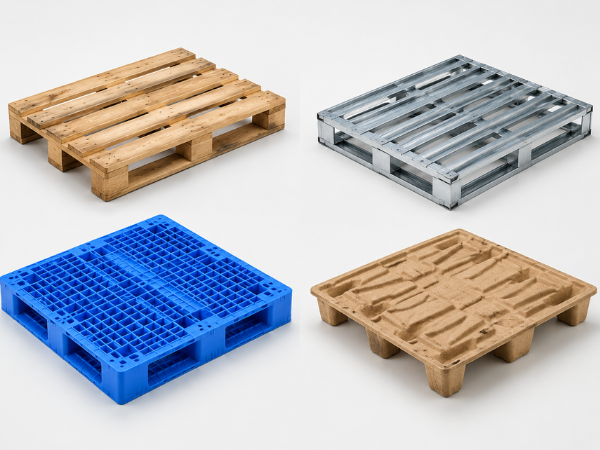
La vida útil de un palet de plástico no es uniforme. Depende de muchos factores, entre ellos el material, el proceso de fabricación, el diseño y el entorno de uso. A continuación, he elaborado una tabla que muestra la vida útil esperada y las características de los distintos tipos de palets.
| Tipo | Vida útil esperada | Explicación |
| Palets de plástico de material nuevo (fabricados con materiales vírgenes de alta calidad y buenos procesos de fabricación) | 8-12 años (más de 10 años en condiciones ideales) | Estos palets están fabricados con los mejores materiales y acabados, por lo que tienen la vida útil más larga. |
| Palets de plástico usados | 5-8 años | Aunque siguen siendo de plástico, estos palets ya han sido utilizados y pueden mostrar signos de desgaste o fatiga. Es importante inspeccionarlos cuidadosamente antes de reutilizarlos. |
| Palets de Plástico Reciclado | 6-10 años (según el porcentaje de material reciclado y el diseño) | Los palets reciclados pueden ser ligeramente menos resistentes que los nuevos, pero con un buen diseño y un uso moderado, pueden seguir durando mucho tiempo. |
| Palets de plástico de alta resistencia (diseñados para grandes cargas, con alta resistencia) | más de 10 años (en buenas condiciones) | Estos palets están diseñados para cargas pesadas y cuentan con un diseño grueso y reforzado, lo que les otorga una mayor vida útil. |
| Palets de plástico de baja resistencia (para cargas ligeras, transporte frecuente o uso de un solo sentido) | 3-5 años | Estos palets están diseñados para usos más ligeros o ciclos únicos u ocasionales, por lo que su vida útil es más corta. |
| Palets de plástico moldeados por inyección | 8-12 años (según la estructura) | Los palets moldeados por inyección son estables, con un grosor distribuido de manera uniforme, lo que los convierte en una opción popular para uso a largo plazo. |
| Palets de plástico rotomoldeados | 7-10 años | El rotomoldeo es adecuado para diseños más grandes o complejos, aunque la vida útil puede variar según el diseño y los materiales. |
| Palets de plástico moldeados por soplado | 5-8 años | Los palets moldeados por soplado se utilizan generalmente para cargas más ligeras y estructuras más grandes, pero pueden no ser tan duraderos como los moldeados por inyección o rotomoldeo. |
Pregunta 5: ¿Afectan los entornos de uso especiales a la vida útil de los palets de plástico?
¡Por supuesto! Al igual que los zapatos que se usan a diario, cuanto más exigente sea el entorno, más corta será la vida útil del palet de plástico. A continuación se presentan cinco entornos de uso típicos que pueden afectar su durabilidad:
- Uso con carga pesada: si un palet se usa por encima de su capacidad de carga nominal (ya sea estática o dinámica), provocará un desgaste, deformación o incluso agrietamiento de la estructura, lo que lleva a una reducción drástica de la vida útil.
- Entornos de bajas temperaturas: el plástico puede volverse quebradizo en temperaturas extremadamente frías. Cuando los palets atraviesan ciclos de congelación y descongelación (frío y luego calentamiento), el material se debilita, aumentando el riesgo de rotura.
- Entornos de altas temperaturas: el calor elevado puede acelerar el proceso de envejecimiento del plástico. Los palets que no están diseñados con protección UV también pueden decolorarse o deformarse, acortando su vida útil.
- Transporte/carga/descarga/caídas/arrastre frecuentes: cada vez que un palet se carga, descarga, cae o se arrastra, se añade tensión al material y la estructura. Hacerlo con frecuencia, especialmente sobre superficies rugosas o en entornos exigentes, puede reducir significativamente la vida útil del palet.
- Exposición exterior/UV/exposición a productos químicos: aunque el plástico es superior a la madera en algunos aspectos, la exposición prolongada a la luz UV intensa o el contacto con productos químicos agresivos pueden provocar que el plástico envejezca, se vuelva quebradizo o se agriete.
Pregunta 6: ¿Qué hábitos operativos pueden hacer que los palets de plástico se desgasten rápidamente?
Basándome en 20 años de experiencia con nuestros clientes, he recopilado una lista de 8 errores comunes que pueden reducir la vida útil de los palets de plástico. ¡Compruebe si alguno de estos hábitos se da en su lugar de trabajo!
- Sobrecarga: usar continuamente los palets por encima de su límite de peso nominal puede causar daños. Por ejemplo, si un palet está diseñado para soportar 3 capas de mercancía pero se apilan 5, puede parecer bien al principio, pero la estructura del palet comenzará a deformarse con el tiempo.
- Uso incorrecto de la capacidad de carga: uno de nuestros clientes usó por error un palet de 17 kg como si fuera uno de 20 kg. Como resultado, el palet se deformó mucho más rápido que los que se usaban correctamente, provocando un desgaste mucho más acelerado.
- Manipulación inadecuada: si las carretillas elevadoras se aproximan a los palets lateralmente con demasiada velocidad o si los palets se arrastran o deslizan sobre superficies rugosas, esto provoca un desgaste superficial progresivo que debilita el palet.
- Apilamiento desigual: si la parte inferior del palet o la superficie sobre la que se coloca es irregular, provoca una presión desigual. Esto puede hacer que el palet se deforme o incluso se agriete.
- Apilamiento incorrecto: si la mercancía se apila más allá de los bordes del palet y se coloca de forma desordenada, puede dañar el palet. Para un apilamiento correcto, consulte nuestra guía sobre cuántas cajas caben en un palet.
- Exposición prolongada al sol o a productos químicos: la exposición exterior prolongada o la inmersión en productos químicos puede provocar la degradación del material y la pérdida de resistencia, acortando la vida útil del palet.
- Uso de palets en un entorno inadecuado: por ejemplo, usar palets de baja resistencia para almacenamiento pesado en almacén puede provocar que el palet quede sobrecargado y falle prematuramente.
- Ignorar las inspecciones y el mantenimiento regulares: si las grietas, deformaciones o bordes dañados no se atienden de inmediato, pueden empeorar con el tiempo. Inspeccione y repare siempre sus palets según sea necesario para mantenerlos en condiciones seguras.
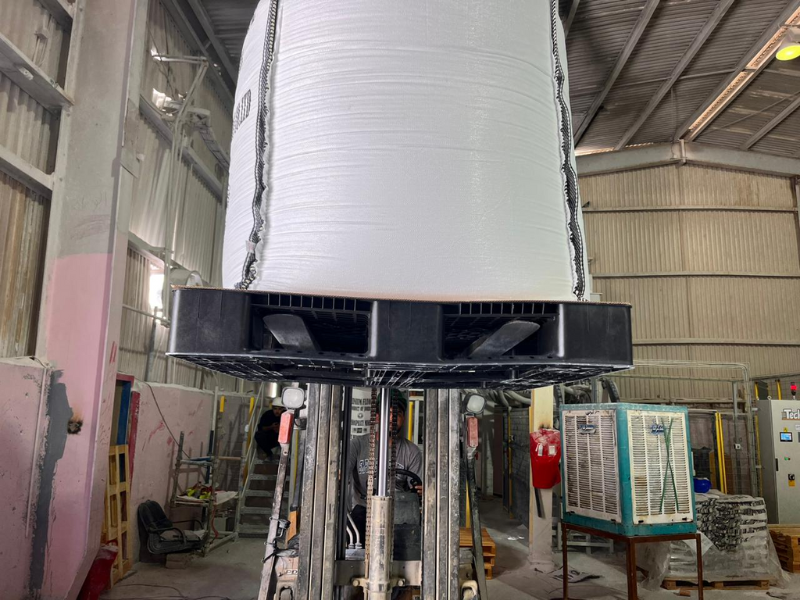
Pregunta 7: ¿Cómo saber cuándo un palet de plástico necesita ser reemplazado?
En términos simples, puede buscar algunas señales que indican que es momento de reemplazar el palet:
- Grietas, roturas o deformaciones visibles: por ejemplo, si observa grietas en las patas o vigas de carga del palet, es una señal clara de daño.
- Hundimiento o Deformación Significativa: Si el palet se hunde o pierde su forma bajo carga, significa que la elasticidad se está debilitando y ya no puede soportar el peso correctamente.
- Desgaste Severo en la Base o las Patas: Si la base o las patas del palet muestran un desgaste intenso y el grosor del material ha disminuido notablemente, es momento de reemplazarlo.
- Inestabilidad al Apilar o Transportar: Si el palet se vuelve inestable al apilarlo o durante el transporte, o si se inclina bajo carga, es una señal de que ha perdido su integridad estructural.
- Altos Costos de Reparación: Si el palet ha sido reparado varias veces y presenta múltiples zonas dañadas, los costos de reparación pueden ser superiores al de simplemente reemplazarlo por uno nuevo.
- Incumplimiento de Normas Higiénicas: Si el palet ya no cumple con los estándares de higiene—especialmente en industrias como la alimentaria o la farmacéutica—o si sus dimensiones ya no se ajustan a los equipos o tolerancias del sistema, debe reemplazarse.
Próximo a o por Encima de su Vida Útil de Diseño: Si el palet ha alcanzado o superado su vida útil o número de ciclos diseñados, y los registros de su empresa muestran averías frecuentes, es momento de invertir en uno nuevo.
Conclusión
En conclusión, queremos destacar que la vida útil específica de un palet de plástico depende tanto del tipo de palet como de su uso. Al elegir el tipo de palet adecuado para sus necesidades y seguir nuestras recomendaciones de mantenimiento, podrá maximizar su inversión y garantizar un rendimiento duradero.
En Enlightening Pallet, entendemos que nadie quiere usar palets con una vida útil corta, por eso ofrecemos reemplazo gratuito de cualquier palet dañado durante los primeros 3 años de uso.
Además, hemos preparado consejos exclusivos de mantenimiento de palets para ayudarle a sacar el máximo partido a sus palets. Estos consejos se compartirán con usted en el momento de la entrega, para que tenga todo lo necesario para garantizar su durabilidad.