跳到内容
跳到内容 
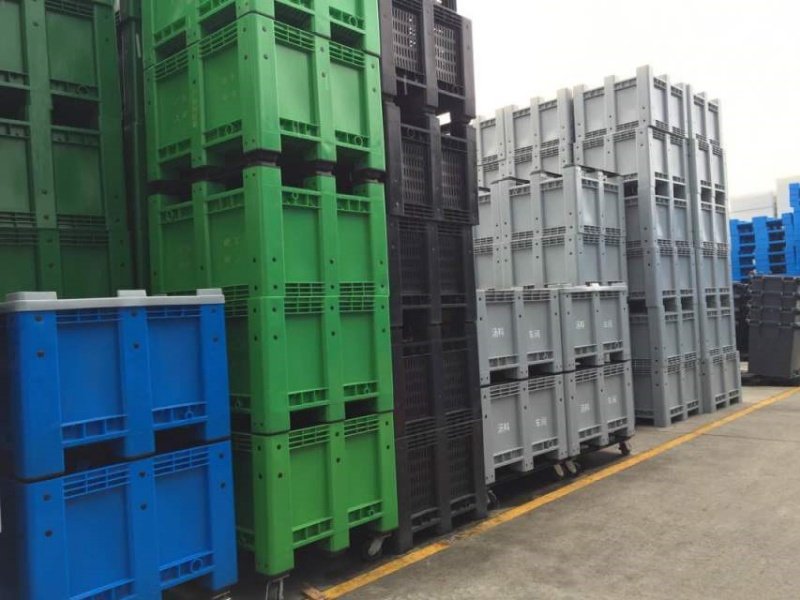
We receive hundreds of plastic pallet bin procurement inquiries every day, and many buyers are concerned about this year’s factory changes. Let me tell you honestly—the procurement landscape in 2026 has genuinely shifted. The EU PPWR regulation takes effect on August 12, 2026, and non-compliant packaging will be banned from the EUR-Lex market. But what’s the bigger change? Read through this complete guide to understand what new trends you really need to pay attention to this year.
What Types of Plastic Pallet Bins Are Worth Buying in 2026?
Collapsible Pallet Bins
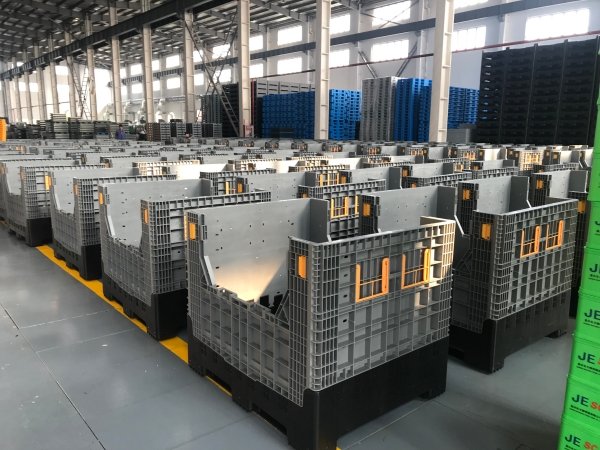
Let’s start with the basics—What are collapsible pallet bins? These containers feature hinged walls that can fold inward on all four sides when empty, reducing storage space by up to 70%. They’re specifically designed to solve high-frequency return logistics and space constraints during backhauls.
When do you actually need collapsible bins? If you’re running empty return trips more than 100 times per month, your warehouse space costs exceed ¥80 per square meter monthly, or your logistics routes exceed 500 kilometers one way, then collapsible bins make financial sense.
When should you avoid being sold on collapsible bins? If your cargo is one-way delivery with no return needs, or your usage frequency is low (fewer than 50 turnovers per year), you’re better off with rigid alternatives. We’ve seen a beverage distributor buy 200 collapsible bins with painful results: ¥60,000 more upfront cost, workers found folding too troublesome and mostly didn’t bother, folding mechanism broke down in year three, and total extra cost reached ¥150,000 compared to rigid bins.
Our honest assessment: Collapsible bins offer longer lifespan and lower maintenance costs Future Market Insights, but only if you actually use their advantages. Start small—get a sample first, test for 3 months, then decide on bulk purchases. Don’t let impressive market share numbers convince you if your specific use case doesn’t match.
Rigid Pallet Boxes
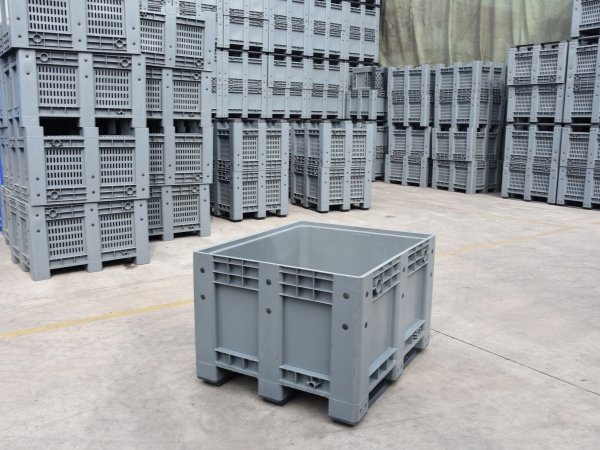
You’re definitely familiar with non-collapsible plastic boxes. By 2026, the global plastic pallet bin market will grow to $14.58 billion, but reusable rigid plastic bins will still remain mainstream.
Why do we still recommend rigid pallet bins? Three factors our testing consistently proves: durability (8-10 years under normal use), virtually zero maintenance costs (no folding mechanism means no vulnerable parts), and superior stacking stability (5-layer stacking without deformation, while collapsible bins max out at 3 layers safely).
Rigid pallet bins typically offer PP or HDPE material options. These two materials actually have significant differences, particularly in temperature adaptability – and this distinction can make or break your investment.
HDPE offers excellent chemical resistance and maintains toughness down to -40°C without cracking, though it’s less rigid for extremely heavy loads. Best for: chemical industries, cold chain logistics, aquaculture operations.
PP provides higher rigidity, stronger load-bearing, and costs 10-15% less, but cracks below -20°C. However, it performs excellently in high-temperature environments up to 100°C. Best for: ambient warehousing, food/beverage, pharmaceutical distribution.
Pallet Sleeve Boxes
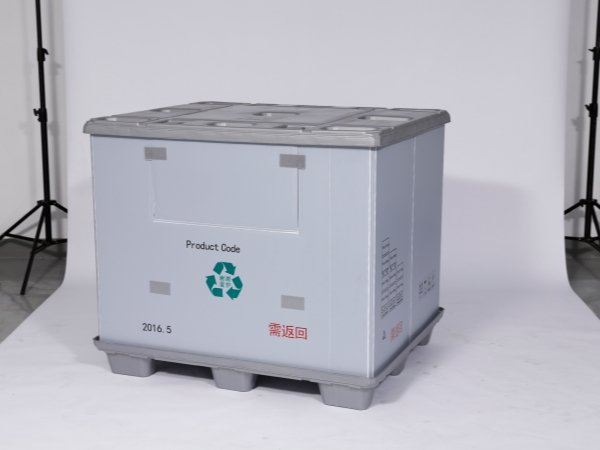
Pallet Sleeve Boxes are detachable packaging solutions where the biggest difference from other pallet bins is that the sidewalls use PP corrugated plastic sheets paired with HDPE lids, and the sleeves can be detached and folded. This design achieves impressive space efficiency with a return ratio of 1:8 for sleeves and 1:5 for full sets, making this product ideal for reducing logistics costs and optimizing return cargo space.
When should you choose pallet sleeve boxes? The answer is clear: when you need maximum flexibility in height adjustment (sleeves can stack to create custom heights from 200mm to 1200mm), when return logistics costs are critical (folded sleeves save 87% storage space), or when you’re handling fragile items requiring cushioned walls (corrugated plastic provides excellent shock absorption). However, understanding the durability trade-offs is essential – while sleeves last 5-7 years under normal use, the folding hinges are the weakest point and may require replacement after 200-300 fold cycles in high-frequency operations.
Industrial Insulated Containers
Why are your temperature-sensitive shipments failing? Most failures happen because buyers focus on insulation duration claims without understanding the testing conditions. We’ve seen pharmaceutical companies lose ¥180,000 worth of vaccines because their “48-hour containers” only lasted 28 hours in real summer heat—the supplier tested at 20°C, not the 35°C their products actually faced.
Here’s what separates effective insulated containers from marketing claims: genuine performance validation under real-world conditions. As pharmaceutical regulations tighten (WHO GDP, EU guidelines, USP <1079>), the margin for error has disappeared. Your container isn’t just packaging—it’s a critical component of regulatory compliance where failure means product loss, regulatory violations, and damaged reputation.
Five critical questions to ask when selecting insulated containers:
- At what ambient temperature was insulation duration tested? (Must match your actual usage conditions, not lab ideals)
- What insulation material thickness is used? (EPP foam vs. PU foam = 30% performance difference; 80mm vs. 50mm = failure vs. success)
- Do you have third-party laboratory verification reports? (Manufacturer self-testing data is unreliable)
- What’s the ice pack configuration strategy? (This determines 50% of insulation effectiveness)
- How is long-term seal integrity guaranteed? (Aging cycle data for seal strips is critical)
Our manufacturing standards include: 80mm EPP material thickness (market standard is often just 50mm), validated 72-hour temperature maintenance at 2-8°C in 35°C ambient conditions, medical-grade silicone seals with 5-year aging resistance, and optimized 6-unit PCM ice board configuration. Our procurement recommendation: demand validation testing at your actual operating temperatures, write specific testing conditions into contracts, and always conduct field testing with 5 sample units before bulk orders.

Insulated Fish Box
Are you unknowingly buying substandard fish boxes that could contaminate your seafood? The biggest trap in fish box procurement is the “food-grade material” misconception. Here’s what happens: you request food-grade PP, the supplier says “yes, absolutely food-grade,” but what arrives is actually industrial-grade PP with some food-grade additives mixed in. Real food-grade materials must have FDA 21 CFR or EU 10/2011 certification—and most suppliers can’t provide this documentation when pressed.
Why does this matter for your business? Contaminated seafood means recalled products, regulatory fines, and destroyed customer relationships. But beyond safety, the wrong box choice creates hidden operational costs that add up fast. Poor drainage design leads to ice melt pooling (bacteria growth risk), inadequate cold resistance causes boxes to crack in freezer environments, and salt corrosion from seawater exposure means premature replacement costs.
Our specialized recommendations for aquaculture customers focus on three critical factors:
- For frozen seafood operations: Use PP/PE with verified -40°C impact resistance (standard PP becomes brittle and cracks)
- Drainage system design: Minimum 20 Φ8mm drainage holes in the bottom with 3-5° tilt angle (prevents standing water and bacterial growth)
- Salt spray corrosion resistance: Demand 500-hour salt spray test reports (seawater environments destroy standard plastics within 3 years)
Here’s the service life reality check: While manufacturers claim 5,000+ cycles, standard PP boxes start embrittlement after just 3 years in seawater environments. Our Insulated Fish Box solution adds UV anti-aging agents and antioxidants—this increases costs by only 8% but extends lifespan to 6-8 years, effectively doubling your return on investment. When you calculate replacement frequency, the premium materials pay for themselves within the first year.

Conclusion
3 Things You Must Not Do
Don’t focus solely on price. A product that’s 10% cheaper upfront can cost you 50% more in total ownership costs. We’ve seen buyers choose the lowest bid only to face frequent replacements, operational disruptions, and hidden maintenance costs that destroy their budgets.
Don’t trust verbal promises. Every commitment must be documented in contracts. Certification credentials must be independently verified. Warranty promises need written evidence. When problems arise, verbal agreements become worthless—only documented terms provide protection.
Don’t blindly follow trends. Just because collapsible bins or RFID technology work for others doesn’t mean they suit your operation. Base decisions on your actual requirements, not market hype or competitor actions.
3 Things You Must Do
Calculate true TCO using 5-10 year cycles. Include all hidden costs—transportation, maintenance, disposal, and operational overhead that initial pricing obscures. Use the formulas and examples we’ve provided throughout this guide.
Conduct on-site inspections of your top 3 suppliers. Go with prepared questions and spend time with workshop workers, not just management—frontline staff provide the most honest assessment of factory operations and quality consistency.
Start with small-batch testing. For new suppliers, purchase 10-50 units first. Use them for 3-6 months under real conditions. Only proceed with bulk orders after confirming performance meets your standards.
Our Commitment
As a 20-year manufacturing veteran, we don’t claim to be the cheapest, but we guarantee our products withstand real-world testing, our promises get fulfilled, and we treat every customer as a long-term partner.
The plastic pallet boxes industry is transforming in 2026—EU PPWR regulations, circular economy mandates, and smart technology integration are reshaping everything. But what remains constant: quality, integrity, and service will always define successful partnerships.
We hope this guide helps you make informed procurement decisions in 2026.