跳到内容
跳到内容 
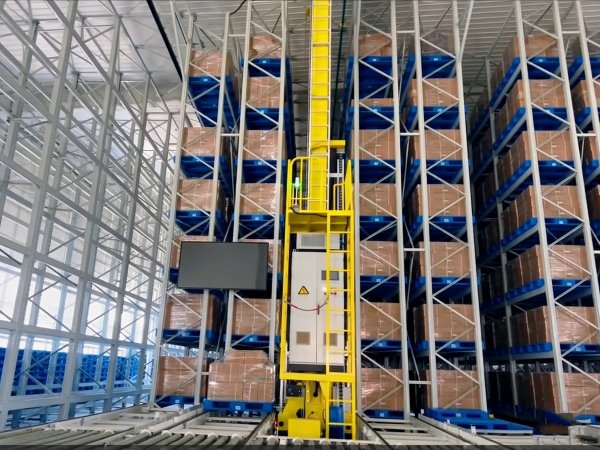
Pallet storage systems help you use vertical space, speed up picking, and keep inventory flow organized. But not every pallet racking system fits every warehouse—some maximize access, others maximize density or FIFO rotation. If you’re unsure what to choose, this guide breaks down 10 common types of pallet racks and shows where each works best, so you can match racking to your operation without costly trial and error.
- What is Pallet Storage Systems?
- What Factors Should You Consider When Choosing a Pallet Racking System?
- What Are the Different Types of Pallet Storage Systems?
- Selective Pallet Rack (Selective racking)
- Push Back Pallet Rack (Push-back racking / Back racking)
- Drive-In Pallet Rack (Drive-in racking)
- Drive-Thru Pallet Rack (Drive-thru & Drive-through racking)
- Pallet Flow Rack (Pallet flow racking)
- Gravity Flow Pallet Rack (Gravity flow racking)
- Cantilever Pallet Rack (Cantilever racking)
- Multi-Tier Pallet Rack (Multi-tier racking)
- Structural Pallet Rack (Structural pallet racking)
- Teardrop Pallet Rack (Teardrop racks)
- Why Choose Plastic Pallets for Storage Systems?
- Do All Plastic Pallets Work the Same in Racking?
- FAQ about Pallet Storage Systems
- Where a Rack-Ready Plastic Pallet Manufacturer Adds Real Value
What is Pallet Storage Systems?
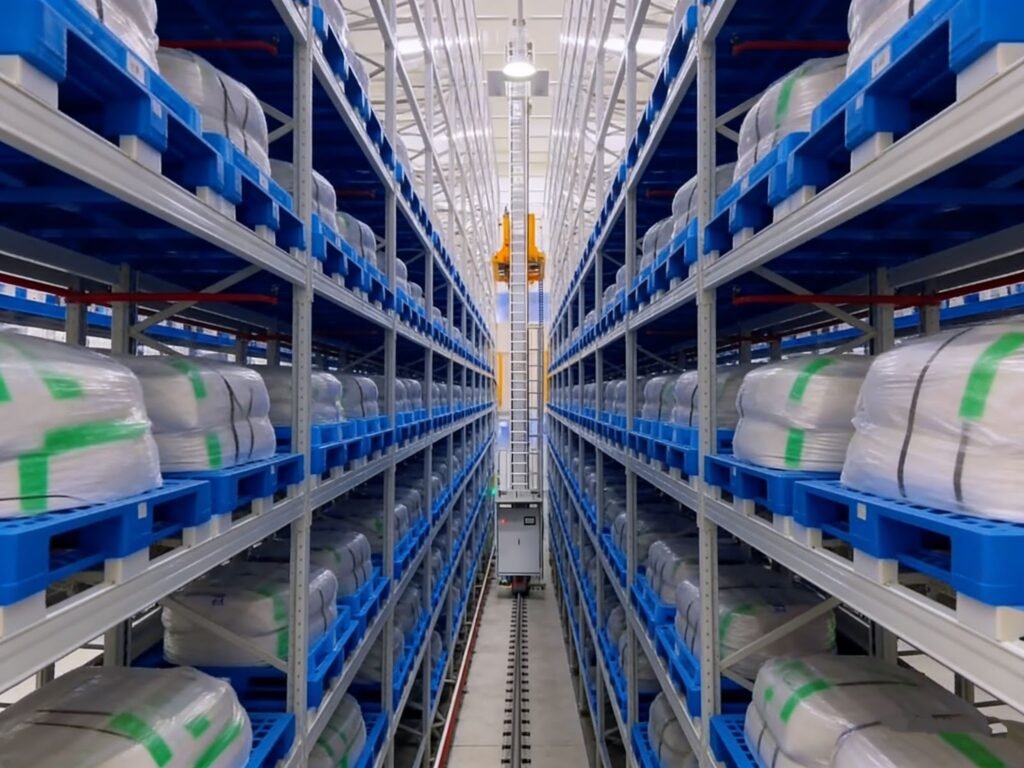
A pallet storage system—also known as a pallet racking system or warehouse racking system—is a structured method of storing palletized goods on strong horizontal beams and vertical frames so forklifts can safely place and retrieve loads. These systems organize inventory in rows and multiple levels, making use of your warehouse’s vertical space and improving workflow by keeping pallets visible, organized, and easy to access.
These systems are widely used in distribution centers, manufacturing, cold storage, and retail logistics to streamline operations, reduce travel time, and support material handling equipment, such as forklifts.
What Factors Should You Consider When Choosing a Pallet Racking System?
When choosing pallet racking systems, a quick checklist helps:
- Warehouse size;
- Type of goods;
- Storage density;
- The access speed of each Pallet;
- The budget.
These points decide which warehouse racking types make sense. For example, a smaller site often leans toward high-density options like drive-in racking, while a larger operation with many SKUs may prefer the flexibility of selective pallet racking.
What Are the Different Types of Pallet Storage Systems?
Every racking decision is a balance between storage density, pick access, and inventory flow. Below are the 10 most common pallet racking systems used in pallet warehousing, plus where each option fits operationally.
Selective Pallet Rack (Selective racking)
Selective pallet racking—also called selective pallet rack or adjustable pallet racking—becomes the go-to system in many warehouses, and here’s why: you can access every single pallet whenever you need it.
Think about this scenario: when your SKU mix is wide and orders shift daily, this system keeps your picking operations simple and predictable. Here’s where it gets even better—you can move beam levels up or down, so your rack adapts seamlessly when pallet sizes or carton heights change.
Now, consider the trade-off: you’ll need wider aisles for forklift access, which means storage density won’t be your strongest advantage, particularly if you’re working with limited building space.
Push Back Pallet Rack (Push-back racking / Back racking)
Push-back pallet racking—also known as push-back racking or back racking—stores your pallets several deep on carts or rollers, and here’s how it works: each new pallet pushes the previous one back automatically.
Picture this: you want higher density than selective racks but still need operational flexibility. This system shines for your medium-turn products where you can work with LIFO (last in, first out) inventory flow.
Now, here’s what requires your attention—operational precision becomes more critical. When pallets get damaged or your load weights vary significantly, you might face system jams, so maintaining consistency in your pallet conditions and loads matters much more than with selective racking systems.
Drive-In Pallet Rack (Drive-in racking)
Drive-in pallet racking is engineered for maximum density—here’s the concept: your forklift drives directly into the rack lane and places pallets on support rails inside the structure.
Think about your high-volume, single-SKU storage needs. When you want to minimize aisle space dramatically, drive-in becomes exceptionally efficient. Most operations run this as LIFO, making it perfect for your bulk inventory and buffer stock requirements.
Consider what this approach demands: you’ll sacrifice individual pallet selectivity and need tighter operational controls. Since your forklifts operate within the rack structure itself, investing in robust rack protection, comprehensive driver training, and maintaining excellent pallet condition becomes absolutely essential for smooth operations.
Drive-Thru Pallet Rack (Drive-thru & Drive-through racking)
Drive-thru racking—also called drive-through racking—shares the same high-density design as drive-in, but here’s the game-changer: you can access the lane from both ends.
This dual-access feature transforms your inventory flow. You can achieve FIFO operations by loading from one side and picking from the other—which becomes invaluable when you’re handling date-sensitive goods. You’ll still capture that high storage density since your aisle count remains minimal.
What makes this system successful? You’ll want the same operational rigor as drive-in systems. Precise forklift travel control, strategic rack guards, and dependable pallet quality form the foundation that keeps your operations running seamlessly day after day.
Pallet Flow Rack (Pallet flow racking)
Pallet flow racking harnesses gravity rollers to create automatic pallet movement—picture this: you load at the back, and each pallet rolls forward to the pick face without manual intervention.
Does your team require FIFO with rapid throughput? This becomes your strategic advantage, particularly in cold storage or high-volume distribution environments. Your pickers gain significant efficiency because the pick face continuously replenishes itself automatically.
What should you factor into your decision? This system requires a higher initial investment and ongoing maintenance attention. When your loads lack stability or pallet specifications vary, flow interruptions can occur, so establishing rigorous unit-load standards becomes crucial for optimal performance.
Gravity Flow Pallet Rack (Gravity flow racking)
Gravity flow racking embodies the broader “gravity-fed” concept—here’s how it works: rollers or wheels enable your loads to move forward without any power source required.
Consider your operational mix: many warehouses deploy this system for cartons and cases, while pallet flow targets pallets specifically. When you’re running mixed picking operations, incorporating gravity flow zones can significantly reduce your team’s walking distances and re-handling efforts.
Now, here’s what demands your attention: proper engineering becomes absolutely critical. Your slope angles, braking mechanisms, and load consistency standards must align precisely—because when these elements aren’t optimized, you’ll encounter jams, uncontrolled load movement, or compromised safety conditions that disrupt operations.
Cantilever Pallet Rack (Cantilever racking)
Cantilever racking is the ideal choice when you’re dealing with long or awkward items—think pipes, lumber, metal profiles, or panels. Imagine this: instead of having front uprights getting in the way, the racking uses arms extending from columns, allowing you to load products from the side. This design minimizes product scraping or bending, offering smoother handling. What’s more, it accommodates various lengths more efficiently than traditional racks.
However, here’s the trade-off to keep in mind: while you get the benefit of easier handling for long goods, it doesn’t pack pallets as tightly as selective racking. So, while it excels in handling, it may not offer the same high-density storage efficiency. But this is where it shines for specific needs.
Multi-Tier Pallet Rack (Multi-tier racking)
Multi-tier racking adds extra levels—sometimes with platforms—creating more “floors” within a single building. Think about it: when floor space is limited or costly, this system gives you the flexibility to stack vertically. It’s especially useful when you need different work zones: pallets on the lower levels, case picking above, or even separating SKUs based on their turnover speed. This is a smart solution when expansion options are limited.
However, it’s important to remember that this added storage capacity comes with more complexity. You’ll need to carefully plan for safe access, fire protection, and efficient workflow routing. Otherwise, instead of boosting efficiency, you might unintentionally create bottlenecks. This is where careful planning and design make all the difference.
Structural Pallet Rack (Structural pallet racking)
Structural pallet racking is made with heavier steel, designed to withstand tough environments and higher impact. Think about it: if your site handles heavy loads, runs nonstop shifts, or experiences frequent forklift contact, these racks can significantly reduce downtime caused by repairs. This is why many industrial operations opt for structural racking—it offers “rugged reliability” that keeps things running smoothly.
However, there’s a trade-off to consider: price and weight. While it does cost more than roll-formed racks, the investment often pays off when frequent damage and repairs are a concern. This is where the durability of structural racking truly shines, saving you in the long run.
Teardrop Pallet Rack (Teardrop racks)
Teardrop racks are a common roll-formed selective rack style, named after the teardrop-shaped holes that allow quick beam installation without bolts.
Think of it this way: if you need widely available parts and easy on-the-fly adjustment, teardrop is your practical choice for general pallet warehousing. Here’s where it shines—the speed of setup and day-to-day flexibility make it ideal when you’re managing dynamic inventory or frequently reconfiguring your layout.
Now, what you should consider: impact tolerance matters in your environment. In operations with heavy forklift traffic or frequent impacts, you’ll want to add protective measures—think column guards or end-of-aisle protection. For particularly demanding applications, structural pallet racking might better suit your needs, offering that extra level of durability your operation requires.
Why Choose Plastic Pallets for Storage Systems?
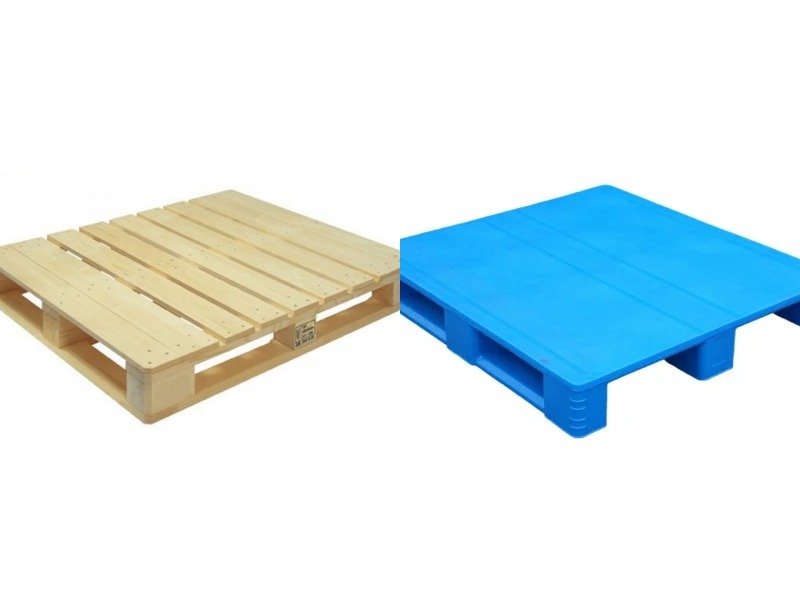
Wood pallets still work in some standard racking setups, but in higher-performance operations, they’re being replaced fast—mainly because wood absorbs moisture, can warp or shed nails/splinters, and creates avoidable damage and instability over time.
But here’s where plastic pallets change the game:
- Lower damage risk: no nails or splinters, fewer products and wrap failures.
- Better hygiene control: non-absorbent surfaces are easier to wash and dry.
- More stable rack performance: consistent dimensions reduce rocking and load shift on beams.
- Lower loss cost over time: longer reuse life and fewer emergency replacements.
In short, plastic pallets help you run racking with fewer surprises—less risk, less downtime, and more predictable daily handling.
Do All Plastic Pallets Work the Same in Racking?
Pallet design decides how your loads transfer weight into the beams, how stable pallets sit during picking, and whether your racking stays trouble-free over time. If the pallet base does not match your pallet racking systems, you will see more deflection, more product damage, and more handling delays.
Not all plastic pallets behave the same on storage racking solutions. The base structure—runners, legs, and whether the pallet is reversible—changes beam seating, load spread, and how well the pallet works with forklifts and conveyors.
3-runner plastic pallet
This 3-runner plastic pallet design typically seats well on rack beams because the runners provide continuous support lines. The key is alignment: runner direction must match your beam direction and your rack setup, otherwise you lose support where it matters.

6-runner plastic pallet
With more contact lines, a 6-runner pallet base spreads weight more evenly and can improve stability in mixed workflows (racking + conveyors + staging). It is often a safer choice when loads vary in weight or when you want more consistent rack performance across different zones.
9-legs plastic pallet
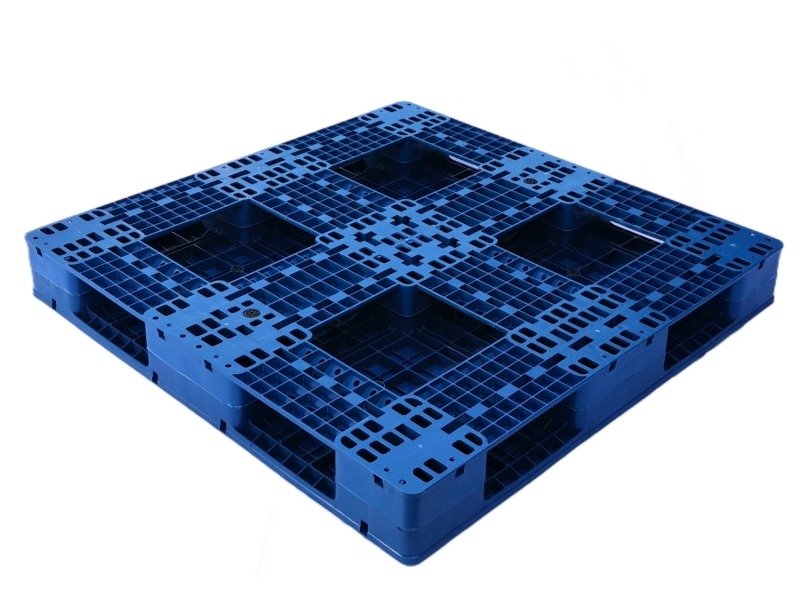
Most 9-legs pallets are designed for nesting and floor stacking to save return shipping space. On racks, many models are not suitable unless they are specifically rated for racking, because point-contact legs can increase deflection risk on beams.

Reversible plastic pallet
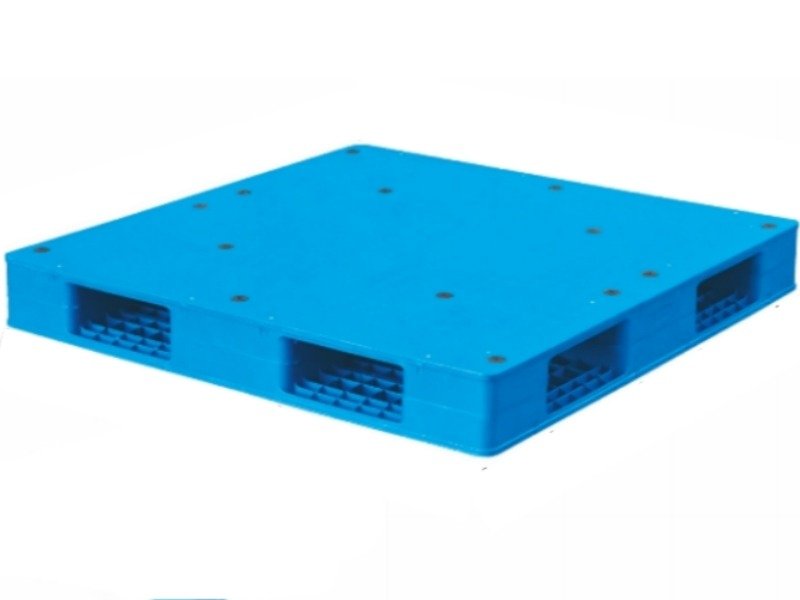
Reversible pallets are built for long service life and can perform well in demanding operations, but racking success depends on the base design and beam contact. You should check beam seating, anti-slip needs, and any automation interface requirements before rolling them out site-wide.
Want to learn more about pallet racks? This article provides a detailed answer for you: What Are Rackable Pallets?
Based on the feedback from our customers and 25 years of production experience, here are the pallet rack systems suitable for each type of pallet that I have compiled:
| Plastic Pallet Type | Best-Matched Racking Systems |
| 3-runner plastic pallet | Selective Pallet Racking; Push-back racking; Drive-in racking; Drive-through racking; Pallet flow racking; Structural pallet racking; Teardrop racks; Multi-tier racking |
| 6-runner plastic pallet | Selective Pallet Racking; Push-back racking; Drive-in racking; Drive-through racking; Pallet flow racking; Structural pallet racking; Teardrop racks; Multi-tier racking |
| 9-legs plastic pallet | Selective Pallet Racking (light duty / non-rack use preferred); Multi-tier racking (light duty zones); Teardrop racks (only when not beam-racked and load is controlled) |
| Reversible plastic pallet | Selective Pallet Racking; Push-back racking; Drive-in racking; Drive-through racking; Pallet flow racking; Structural pallet racking; Teardrop racks; Multi-tier racking |
FAQ about Pallet Storage Systems
What Are the Safety and Compliance Considerations for Pallet Storage Systems?
Here’s what you need to focus on: compliance with industry standards like ANSI MH16.1 for racking design, OSHA requirements for workplace safety, and NFPA 13 for fire protection in your facility. Your quality management should align with ISO 9001 protocols.
But here’s the reality—standards alone aren’t enough. You need to verify proper load-bearing capacities for your specific operation and establish regular inspection schedules.
What Are the Common Challenges with Pallet Storage Systems?
You’ll face three core challenges in pallet storage systems. First, consider your space efficiency: wide aisles may seem necessary, but they’re quietly eating into your storage capacity. Second, think about accessibility—in high-density systems like drive-in racks, your older inventory can get trapped behind newer pallets, disrupting your FIFO workflow. Third, load stability. When your pallets aren’t properly aligned or weight distribution is uneven, you’re not just risking product damage—you’re creating safety hazards that could halt operations.
What Are the Latest Trends in Pallet Storage Systems?
Recent advancements in pallet storage systems are revolutionizing warehouse operations. For instance, automation and robotics now handle repetitive tasks like sorting, picking, and transporting pallets, which speeds up processes and reduces human error. RFID tracking allows for real-time inventory visibility, making stock management more accurate and reducing the risk of misplaced pallets. These innovations not only reduce operational costs but also enhance accuracy, helping your warehouse become more agile and cost-effective.
Where a Rack-Ready Plastic Pallet Manufacturer Adds Real Value
Choosing the right pallet racking system is about more than just finding space—it’s about finding the right fit for your inventory flow and picking needs. The wrong pallet design can compromise even the best rack layout. The goal is not “more storage,” but more predictability: stable loads, fewer damages, smoother operations, and better forklift movement. Whether you’re using a 3-runner, 6-runner, 9-legs, or reversible pallet, the right choice ensures consistent racking performance, avoiding the risks of trial and error. This is where Enlightening Pallet earns your trust—by matching the right pallet to your exact needs, not just selling a one-size-fits-all solution.
Ready to make a confident choice? Share your warehouse details with Enlightening Pallet, and we’ll provide a tailored recommendation. With the right pallet system and load ratings, your racking will be more efficient, stable, and cost-effective—no guesswork required. Reach out today for your customized proposal and get started on optimizing your warehouse.