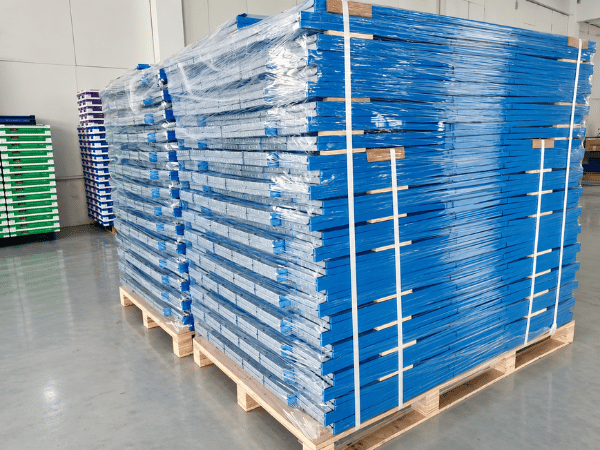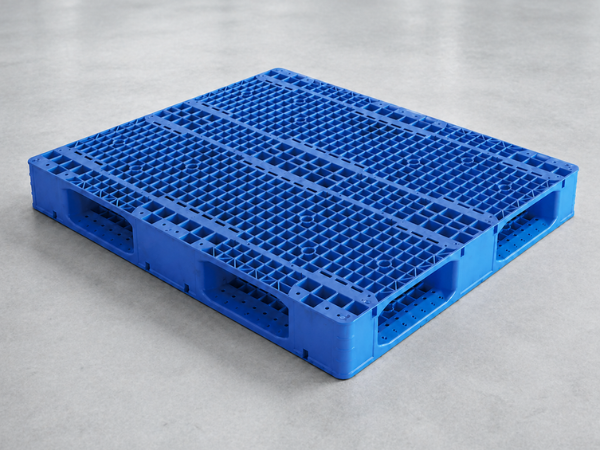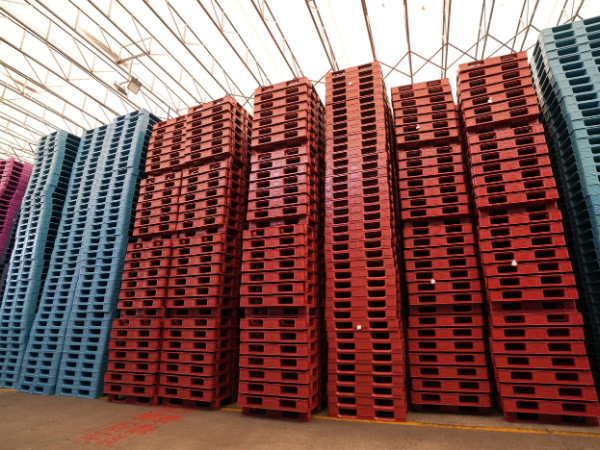
En los últimos años, cada vez más empresas recurren a nosotros en busca de tarimas de plástico, y es fácil entender por qué cuando se observa qué está impulsando este cambio. La mayor ventaja que ofrecen las tarimas de plástico es esta: sin importar de dónde provengan sus mercancías, exigir a su proveedor el uso de tarimas de plástico elimina por completo a las bacterias y los huevos de insectos de la ecuación. Y una vez que realiza el cambio, su eficiencia operativa comienza a mejorar de manera constante. Permítanos guiarle a través de las ventajas de cambiar a tarimas de plástico.
Más limpias y seguras de manipular
Las tarimas de madera absorben cualquier derrame. Las manchas y la humedad penetran en las fibras en lugar de quedarse en la superficie, razón por la cual la mayoría de los almacenes terminan desechando una tarima de madera contaminada en lugar de intentar limpiarla. Las tarimas de plástico se moldean en una sola pieza, por lo que no hay costuras donde se junten agua o residuos, y pueden pasar por cientos de ciclos de lavado sin perder color ni desprender material.
También son más seguras para trabajar en el día a día. Las tarimas de madera se astillan y sueltan clavos con el tiempo, lo que puede romper los embalajes y lesionar al personal del almacén. Las tarimas de plástico no se astillan, por lo que su producto permanece intacto y su equipo no se expone a un peligro evitable.
Peso de envío predecible
La madera absorbe la humedad, y una tarima que junta agua durante el trayecto puede terminar siendo notablemente más pesada que cuando se pesó en el almacén. Esa diferencia se traduce en cargos de flete no planificados. El plástico no absorbe agua de la misma manera, por lo que el peso de la tarima antes de enviarla se mantiene muy cercano al peso registrado por el transportista al llegar.
Estabilidad dimensional en la línea y en los racks
La madera se contrae y se dilata con la humedad a lo largo de su ancho (aunque apenas en su longitud), y los ciclos repetidos de este proceso terminan deformando las tablas. Una tarima deformada se asienta de forma despareja bajo la carga, y el operador del montacargas tiene dificultades para alinear las uñas con una entrada que ya no es escuadra. El plástico se contrae mucho menos. El polipropileno (PP), por ejemplo, tiene una tasa de contracción de alrededor del 1,6 %, por lo que conserva su forma a pesar de los cambios de temperatura y los años de uso.
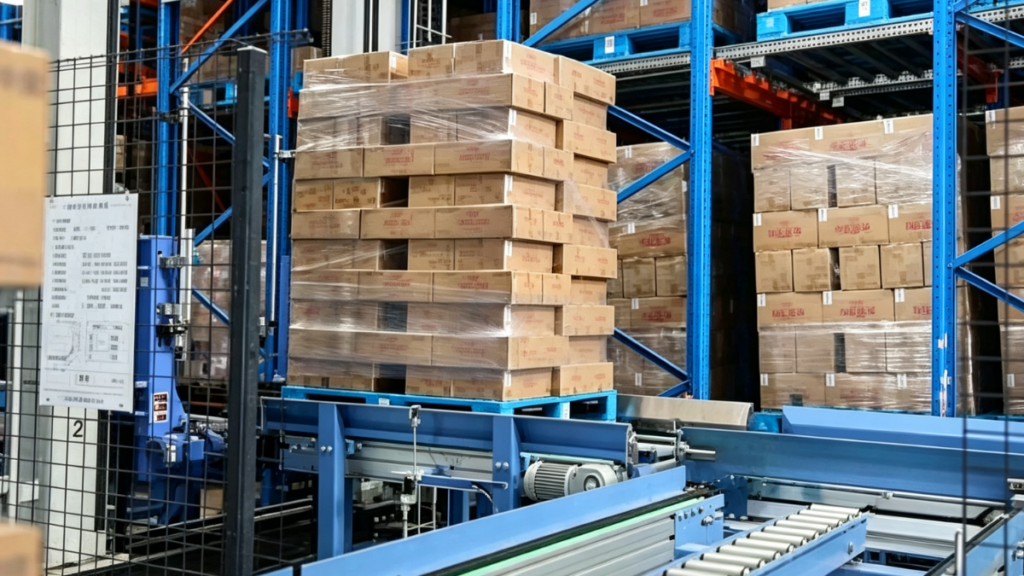
Esa estabilidad es aún más crucial si utiliza equipos automatizados. Transportadores y transelevadores robóticos están calibrados para una huella fija de tarima, y una tarima que altera su forma desajusta los sensores de posicionamiento. Las tarimas de plástico también permiten moldear una etiqueta RFID directamente dentro del cuerpo de la tarima en lugar de pegarla en la superficie (como se hace habitualmente en la madera). Una etiqueta integrada no se descoloca, manteniendo la tarima rastreable durante toda su vida útil.
Más tarimas por envío
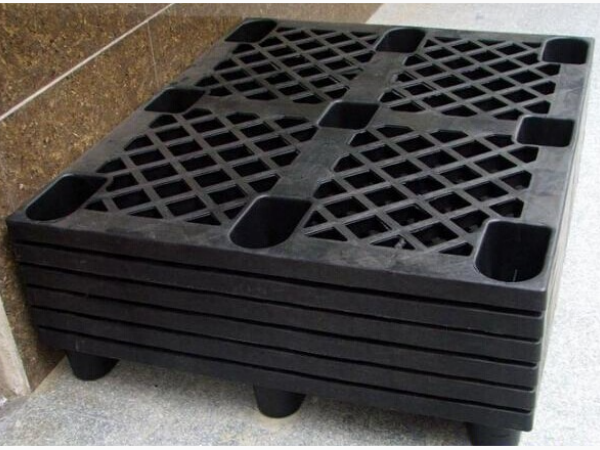
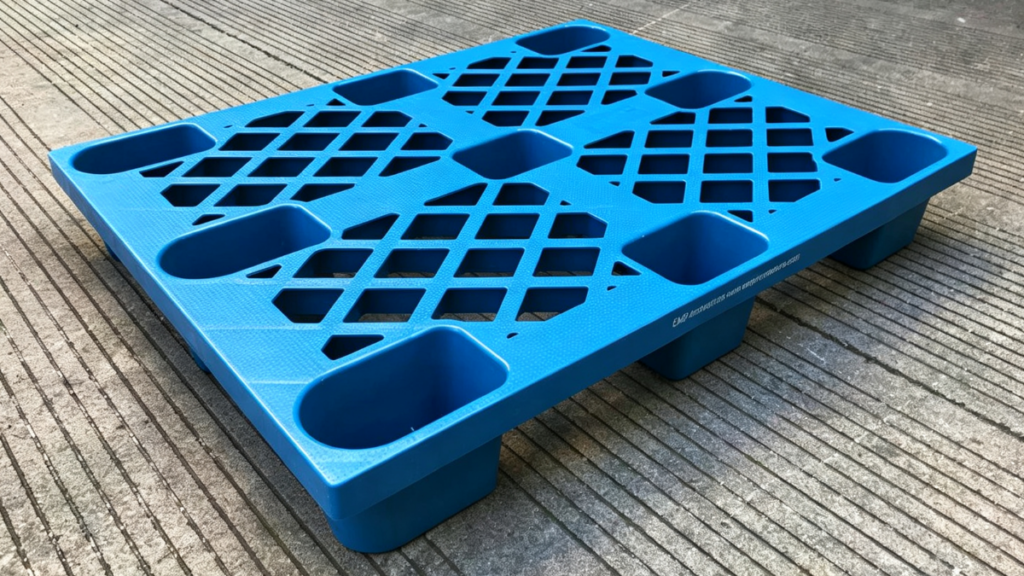
Las tarimas de plástico se pueden moldear como paletas de plástico encajables, por lo que cada nivel apilado añade solo unos 50 mm de altura. Las tarimas de madera estándar no se encajan y añaden cerca de 95 mm por capa. En un lote de tarimas vacías que se reubican o devuelven para su reutilización, esa diferencia permite acomodar casi un 50 % más de tarimas en el mismo remolque o rack de almacenamiento.
Diseñadas para durar
La mayoría de las tarimas de plástico están calificadas para hasta 10 años de servicio, aproximadamente el triple de lo que ofrece una tarima de madera típica. La diferencia es aún más evidente tras un impacto. Una tarima de madera que cae desde cierta altura o recibe un golpe fuerte de un montacargas tiende a romperse o soltar astillas, mientras que una tarima de plástico suele mostrar solo una abolladura superficial con un daño estructural mínimo. Nuestras tarimas están construidas para soportar 200 ciclos de circuito cerrado dentro de una misma instalación, reduciendo la frecuencia con la que necesita comprar repuestos.
El rango de temperatura también es importante, especialmente si su operación funciona a altas temperaturas o en almacenamiento en frío. Nuestros pallets de plástico mantienen su forma entre -40 °C y 70 °C. Las versiones de PP modificado soportan temperaturas de hasta 100 °C, lo que las hace adecuadas para procesos de llenado en caliente o líneas de producción de alta temperatura. Por su parte, nuestros pallets de HDPE permanecen estables hasta -40 °C, por lo que son más adecuados que los de PP para operaciones de cadena de frío y entornos de congelación.
Un verdadero circuito cerrado
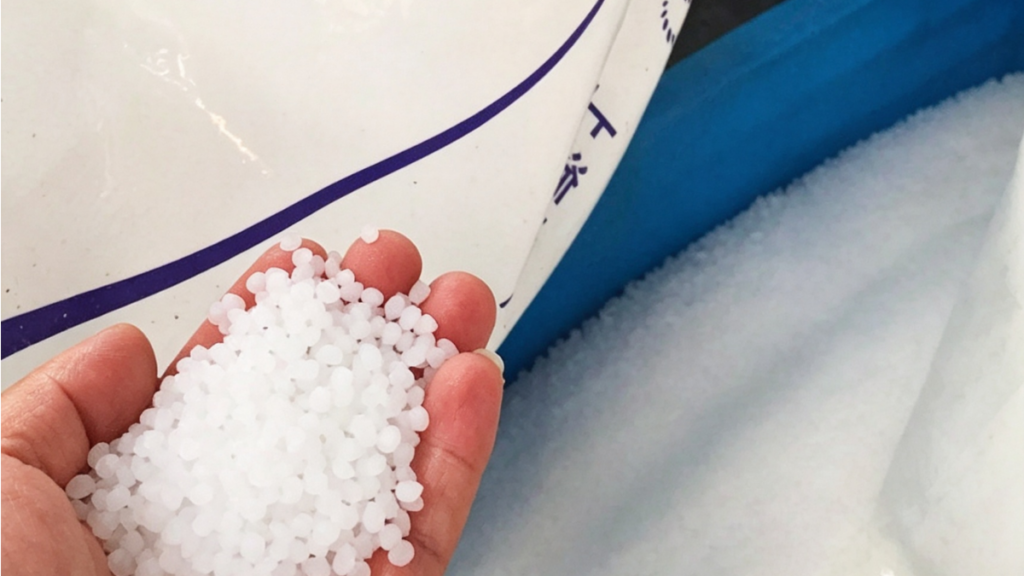
Cuando una tarima de madera deja de ser útil, las tablas intactas sirven para reparar un número reducido de otras tarimas, pero la mayor parte del desecho termina como tarimas moldeadas de baja calidad o se quema. Las tarimas de plástico se pueden reciclar entre 8 y 10 veces, y los gránulos de plástico resultantes al final de ese ciclo conservan su valor. Se procesan nuevamente para fabricar láminas de plástico u otros productos de menor carga, manteniendo el material en circulación en lugar de enviarlo a un vertedero. Esta es una de las razones principales por las que las empresas deciden dejar la madera.
Menos peso, menores costos de combustible
Las tarimas de madera para cargas pesadas requieren tablas más gruesas, lo que incrementa el peso por tarima. Ese peso extra aumenta el consumo de combustible, ya que se gasta energía en mover la propia tarima y no solo la mercancía. Las tarimas de plástico alcanzan la misma capacidad de carga mediante nervaduras de refuerzo y resinas modificadas en lugar de añadir masa. Una tarima de madera para uso pesado de 22 a 25 kg tiene un equivalente de plástico de 9 a 17 kg (entre 8 y 13 kg más ligera). Esa reducción cuenta tanto si mueve tarimas dentro de la planta como a través de todo el continente.
El costo a largo plazo favorece al plástico
Una tarima de madera barata parece la opción más económica sobre el papel, pero pierde su integridad estructural rápidamente, a veces tras solo un puñado de viajes. Una tarima nueva de madera maciza y una de plástico de material virgen cuestan alrededor de $50 USD cada una, pero la de plástico sigue ofreciendo rendimiento durante 10 años en lugar de 3. Evaluado a lo largo de la vida útil en lugar del precio de compra inicial, el plástico resulta más conveniente.
Solicite una cotización gratuita de diseño
Si alguno de estos aspectos refleja un problema que ya está enfrentando, póngase en contacto con nuestro equipo para obtener una cotización gratuita de diseño de pallets, basada en su carga, entorno de trabajo y sistema de manipulación. También puede consultar nuestra gama completa de pallets de plástico o revisar nuestra guía de compra de pallets de plástico 2026 si todavía está comparando diferentes opciones.