Si solo buscas 1 o 2 palets para un proyecto de fin de semana, tu mejor opción es buscar “tiendas de palets cerca de mí” en Google Maps y preguntar con educación. Pero antes de cargar algo en tu camión, hablemos de los riesgos. Hemos reunido cinco reglas importantes para ayudarte a evitar problemas y, quizás, incluso conseguir palets genuinamente gratis en el camino.
Cinco cosas que nunca debes hacer
No te lleves palets que estén fuera de las tiendas sin permiso
Incluso si los palets están apilados cerca del contenedor de basura, aún podrían pertenecer a la tienda o estar programados para ser recogidos. Siempre pregunta primero a un gerente. Un rápido “¿Oye, estos palets se pueden llevar?” puede evitarte una situación incómoda (o legal) más tarde.
No lleves tarimas con el logo de ninguna empresa impreso
Esos palés son activos de la empresa, no basura. Por ejemplo, si ves paletas afuera de un Walmart con logotipos de “Coca-Cola” o “Pepsi” estampados en ellas, esas pertenecen a la compañía de bebidas, no a la tienda.

Los principales minoristas suelen tener contratos con proveedores que incluyen una cláusula como “Debe almacenar y devolver correctamente los palets que lleven el logotipo del proveedor”. A veces, un gerente de tienda podría decir “Claro, llévatelos” para ser útil, pero en realidad no tienen la autoridad para regalar la propiedad de otra persona. No querrás llevarte accidentalmente lo que no es tuyo.
No lleves tarimas de plástico de hospitales o instalaciones químicas
Los palets de plástico no necesitan fumigación como los de madera, por lo que suelen ser más seguros. Pero aquí está la excepción: si vinieron de hospitales o plantas químicas, aléjate. Estas tarimas podrían haber transportado desechos médicos, productos farmacéuticos o químicos agresivos. Claro, el plástico no absorbe líquidos, pero las bacterias, los virus o los residuos químicos aún pueden agazaparse en las grietas de la superficie. Si ve tarimas cerca de un muelle de carga de un hospital o fuera de una instalación química, simplemente siga caminando, no vale la pena el riesgo.
No toques los palets de la empresa de alquiler
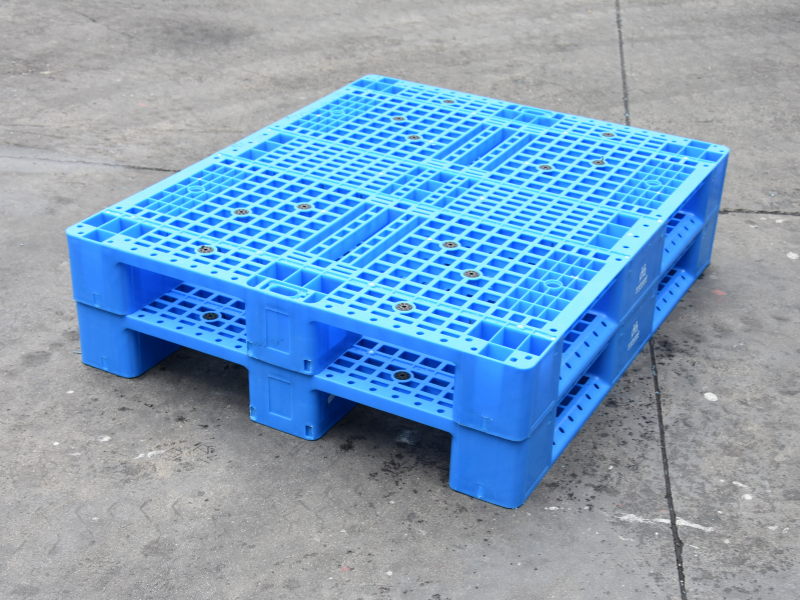
Los palets de alquiler a menudo tienen chips de rastreo incrustados en ellos, lo que los convierte en activos rastreables. Suelen estar pintados en colores brillantes uniformes —azul, rojo o verde— y marcados con logotipos como “CHEP”, “PECO”, “iGPS” u “ORBIS”. Llevárselos es esencialmente un robo, por lo que es mejor evitarlos por completo.
No tome tarimas con el nombre de ninguna organización.
Esto incluye escuelas, hospitales, agencias gubernamentales u organizaciones sin fines de lucro. Llevarse un palé marcado con el nombre de una organización es como llevarse un carrito de correos de la oficina de correos; no es suyo para llevárselo.
Entonces, ¿qué paletas de plástico son realmente seguras para llevar?
Busca paletas que cumplan estos criterios:
- No logotipos de empresas, nombres de organizaciones ni abreviaturas
- No colores brillantes y uniformes (especialmente azul o rojo)
- Apilado desordenadamente en un área de basura o vertedero, no organizado ordenadamente
- Parecen ser paletas de un solo uso (ligeras, de color negro, en estado de desgaste)
Un consejo extra para ti: Si tienes la suerte de encontrar tarimas de plástico que cumplan con los criterios anteriores, considérate afortunado. Como fabricantes de tarimas de plástico, sabemos que estas tarimas suelen tener mucho más valor de reutilización que las tarimas de madera. Son más resistentes, más duraderas, generalmente de una sola pieza y resisten la putrefacción y las plagas mucho mejor. Si estás planeando un proyecto de bricolaje, quizás quieras leer nuestro artículo: ¿Se pueden usar palets de plástico para construir una terraza?

Un consejo rápido antes de ir de caza
Trae una cinta métrica. No todos los palés son del tamaño estándar de 48x40 pulgadas, y lo último que quieres es cargar palés que no encajan en tu proyecto o espacio de almacenamiento. Si no estás seguro del tamaño que necesitas, consulta nuestra guía: Tamaños de palés estándar.
¿Necesita paletas al por mayor?
Si busca comprar grandes cantidades, Enlightening Pallet ofrece paletas de plástico recicladas y nuevas a partir de $8 por unidad. Complete nuestro formulario de contacto y nos pondremos en contacto directamente con una lista de precios detallada adaptada a sus necesidades.