El hielo seco ha sido durante mucho tiempo una herramienta de enfriamiento confiable para la logística de cadena de frío, productos farmacéuticos y procesamiento de alimentos. Es limpio, potente y fácil de usar, razón por la cual tantas operaciones dependen de él todos los días.
Sin embargo, cualquiera que trabaje con hielo seco también conoce su mayor desafío: sublimación. En el momento en que el calor o el flujo de aire lo alcanzan, el CO₂ sólido comienza a desaparecer, a veces más rápido de lo esperado durante la carga, la preparación o el tránsito.
No estás solo si te has preguntado por qué el hielo seco dura más en algunas configuraciones y se derrite en otras. La respuesta no solo tiene que ver con la cantidad de hielo seco que añades; se trata de cómo se almacena, cómo se mueve el aire a su alrededor y si el contenedor está diseñado para ralentizar la transferencia de calor. En esta guía, te explicaremos factores que realmente afectan la sublimación y las formas prácticas de prolongar el tiempo de enfriamiento con menos desperdicio.
¿Por qué el hielo seco sublima?
El hielo seco se convierte directamente en gas de dióxido de carbono porque es CO₂ sólido que no puede existir como líquido bajo la presión atmosférica normal. A diferencia del hielo de agua, nunca se derrite en fase líquida; cambia directamente de sólido a gas, por lo que a menudo se ve vapor blanco durante su manipulación. Varios factores impulsan este rápido cambio de fase:
- No puede formar un estado líquido. El CO₂ sólido se salta la fase líquida por completo, por lo que cualquier calor que se le aplique lo impulsa directamente a gas.
- Temperatura de sublimación (punto de fusión) del hielo secoLas temperaturas superiores a -78,5 °C provocan absorción de calor. Incluso un ligero calor descompone la estructura sólida y acelera la transición a gas.
- Su superficie absorbe el calor rápidamente. La superficie expuesta permite el intercambio constante de energía con el entorno.
- El mal aislamiento acelera la transferencia de calor. En áreas abiertas o contenedores débiles, nada frena el calor que entra en el CO₂ sólido, lo que provoca que desaparezca aún más rápido.
Tasa de sublimación del hielo seco
La tasa de sublimación real depende totalmente de cómo se almacene el hielo seco y de las condiciones que enfrente durante el transporte.
Por mi experiencia en operaciones de cadena de frío, la tasa de sublimación que se ve en el papel rara vez coincide con lo que sucede en el sitio. La guía de CISA es un buen ejemplo: señalan que el hielo seco puede bajar 5 a 10 libras en 24 horas una vez que está en un entorno de manejo activo. Y honestamente, eso concuerda con lo que muchos equipos observan durante la carga, la preparación o el transporte.
En configuraciones más estables —donde la exposición al calor está controlada y el flujo de aire es limitado— verá un patrón diferente. La mayoría de los fabricantes de hielo seco describen un 3% a 8% de pérdida diaria bajo esas condiciones. Ese porcentaje no es irreal; simplemente refleja un contenedor aislado haciendo su trabajo y un perfil de temperatura que no desafía constantemente el hielo seco.
Una vez que el hielo seco se coloca fuera de configuraciones controladas, la sublimación se acelera rápidamente. Varios factores contribuyen a esta pérdida más rápida y notará el impacto de inmediato cuando ocurra cualquiera de los siguientes:
- Altas temperaturas ambientales, que impulsan el calor directamente hacia la superficie del hielo seco.
- Flujo de aire potente, como ventiladores o ventilación de vehículos, lo que aumenta el intercambio de calor.
- Aislamiento débil, donde las paredes del contenedor permiten que el calor pase fácilmente.
- Formatos pequeños de hielo seco, como gránulos o trozos del tamaño de un grano de arroz, que exponen mucha más área superficial que los bloques.
Entonces, cuando observas las tasas de sublimación, la verdadera pregunta se vuelve muy práctica: ¿en qué tipo de ambiente se encuentra realmente tu hielo seco y el contenedor te ayuda a ralentizar la pérdida o la empeora?
Y una vez que empiezas a pensar en esas líneas, el siguiente paso lógico es mirar a Cómo extender el tiempo de enfriamiento mejorando la forma en que se almacena el hielo seco.
Consejos para reducir la sublimación del hielo seco
Cuando se desea ralentizar la sublimación en operaciones reales, los pequeños hábitos de manejo a menudo marcan la mayor diferencia. Estos consejos prácticos se aplican ya sea que esté almacenando hielo seco en una cámara fría, un área de preparación o una unidad de transporte.
Cuando se desea ralentizar la sublimación en operaciones reales, los pequeños hábitos de manejo a menudo marcan la mayor diferencia. Estos consejos prácticos se aplican ya sea que esté almacenando hielo seco en una cámara fría, un área de preparación o una unidad de transporte.
1. Mantén el hielo seco bien apretado
El hielo seco dura más cuando se reduce el área de superficie expuesta. Apilar los bloques juntos o asegurarlos de modo que los lados queden hacia adentro ayuda a minimizar la cantidad de superficie de CO₂ en contacto directo con el aire cálido.
2. Evita romper los bloques a menos que sea necesario
Los bloques grandes e intactos se subliman más lentamente que los gránulos o fragmentos. Si debe dividir un bloque, envuelva la superficie cortada inmediatamente con una película de plástico para que la superficie fresca no quede expuesta y no absorba calor demasiado rápido.
3. Añadir una “capa de amortiguación” dentro del contenedor
Incluso si ya usa una caja aislada de doble pared, agregar rellenos aislantes simples, como periódico, plástico de burbujas o espuma EPE, alrededor del hielo seco crea una resistencia adicional al flujo de calor. Evite los materiales de tela; son demasiado transpirables y permiten que el aire caliente llegue al hielo seco más rápido.
Enfríe previamente el contenedor antes de cargar
La pared del contenedor libera calor al hielo seco durante las primeras horas a temperatura ambiente. El preenfriamiento elimina esta carga de calor inicial y ayuda a estabilizar la temperatura interna mucho más rápido.
5. Limite las aperturas de la tapa tanto como sea posible
La temperatura ambiente ya es 78.5°C más cálida que el punto de sublimación del hielo seco. Cada vez que se abre la tapa, el aire frío se escapa y el aire cálido lo reemplaza. Menos aperturas de la tapa significan una temperatura interna más estable y un tiempo de retención más prolongado.
6. Mantenga el recipiente alejado de fuentes de calor externas
Los suelos cálidos, la luz del sol o las superficies de maquinaria aumentan la transferencia de calor a través de las paredes del contenedor. Colocar el contenedor sobre paletas elevadas o en áreas sombreadas reduce la ganancia de calor innecesaria.
7. Utilice un contenedor aislado diseñado específicamente para hielo seco
Si su operación depende de un tiempo de enfriamiento predecible, considere contenedores aislados con al menos 55 mm de aislamiento en las paredes, un diseño de tapa sellada y una estructura rígida de doble capa. Estas características controlan la transferencia de calor mucho mejor que las hieleras convencionales y ayudan a mantener tasas de sublimación estables durante el transporte o períodos de almacenamiento prolongados.
Así que todos estos consejos apuntan a la misma realidad de ingeniería: el hielo seco solo dura cuando restringimos el calor y el aire en movimiento que llegan a él. Y la forma más confiable de hacerlo es con un contenedor específicamente diseñado para bajas temperaturas y mínimo intercambio de aire.
Nevera Aislada para Hielo Seco — Por Qué los Contenedores Profesionales Hacen la Diferencia
Un contenedor preparado para hielo seco resuelve el problema de la sublimación a través de la estructura, no añadiendo más material de enfriamiento. Las gruesas paredes de LLDPE o HDPE mantienen la caja estable bajo frío extremo, mientras que la cavidad rellena de PU ralentiza el calor que intenta atravesar la carcasa. Una tapa sellada limita la convección del aire, impidiendo que el aire caliente reemplace al aire frío del interior. Cuando las paredes rígidas, el aislamiento denso y un sistema de sellado hermético trabajan juntos, el hielo seco se encuentra en un entorno controlado donde la intrusión de calor se mantiene baja y el tiempo de enfriamiento se vuelve mucho más predecible.
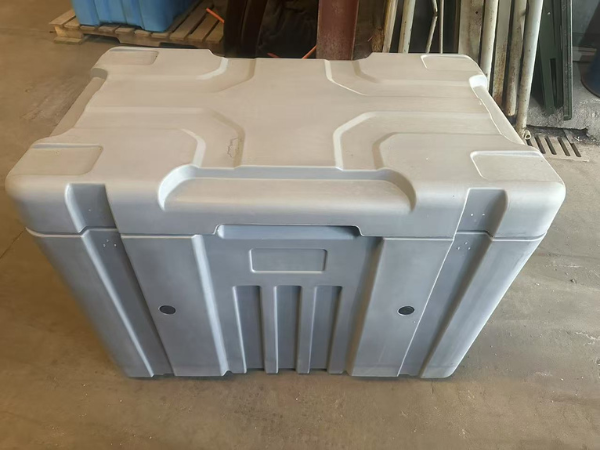
Debido a que estos requisitos de diseño son esenciales para un control predecible de la sublimación, muchas operaciones de cadena de frío, farmacéuticas y de procesamiento de alimentos eventualmente se estandarizan en contenedores profesionales de hielo seco aislados en lugar de modificar enfriadores de propósito general. Una vez que sus equipos cambien a una unidad diseñada para la logística de baja temperatura, normalmente verá:
- duración más larga del hielo seco bajo la misma carga
- temperaturas más estables durante el transporte a larga distancia
- menos recargas durante las ventanas de preparación o carga
- menores costos de consumo en envíos repetidos
- menor ganancia de calor por deformación relacionada con la vibración, ya que la carcasa rígida reforzada mantiene la tapa firmemente sellada incluso durante el manejo con montacargas o las largas rutas por carretera
Amplía tu tiempo de enfriamiento con el socio adecuado en embalajes industriales
A estas alturas, ya has visto cómo la sublimación está determinada no solo por la física, sino también por las decisiones que tomas: dónde almacenas el hielo seco, cómo controlas el flujo de aire y, especialmente, el rendimiento del contenedor que lo protege. Este conocimiento te da más control, menos sorpresas y un camino más claro para reducir los residuos operativos. Y cuando hay en juego envíos de cadena de frío, estabilidad farmacéutica o procesamiento de alimentos de alto volumen, tener equipos en los que puedas confiar ya no es opcional: se convierte en una ventaja diaria.
Por eso existen los contenedores aislados especializados, y por eso los fabricantes con verdadera capacidad de ingeniería —no los comerciantes generales— marcan una diferencia real en sus resultados.
Pallet Enlightening construye contenedores de hielo seco con una mentalidad de fabricación perfeccionada a lo largo de décadas en plásticos industriales. Nuestro Contenedor de hielo seco PE las estructuras de doble pared, el aislamiento relleno de PU, los cierres sellados y los materiales resistentes a bajas temperaturas no son características de adorno — son soluciones diseñadas para mantener la sublimación bajo control, extender la duración del enfriamiento y reducir sus ciclos de reposición durante el transporte de larga distancia y la manipulación en almacén.
Si su próximo paso es estabilizar el rendimiento de su hielo seco, reducir el desperdicio o encontrar un proveedor constante, hable con nosotros.
Solicite una cotización, compare su tasa de pérdida actual o pida una recomendación basada en su escenario de aplicación; le ayudaremos a elegir el modelo adecuado para su temperatura, ruta, patrón de carga y presupuesto.
Ofrecemos:
- Precio al por mayor y suministro directo de fábrica
- Colores personalizados, marca y opciones OEM
- Entrega rápida para pedidos al por mayor
- Producción estable de un fabricante experimentado de China
- Un flujo de trabajo de enfriamiento más predecible comienza con el recipiente adecuado.
Conéctate con nuestro equipo hoy mismo y haz que tu hielo seco dure más, siempre.